
10 Corporate Headshot Mistakes Orange County Companies Make (And How to Avoid Them)

10 Corporate Headshot Mistakes Orange County Companies Should Avoid
When a corporate headshot day goes wrong, the instinct is to blame the photographer. The lighting was off. The backgrounds did not match. The images look inconsistent. Someone had a bad experience.
In most cases, the photographer is not where the problem started.
The majority of corporate headshot failures are process failures. They are the result of decisions made or not made before the photographer arrived. Vague briefs. No employee communication. Compressed schedules. Missing delivery requirements. These are coordination problems, and they produce photography problems.
This post covers the ten mistakes Orange County companies make most consistently when planning a corporate headshot day, what each one costs, and what to do instead. It is written for the HR managers, Marketing directors, and Operations leads who own this project and want to get it right the first time.
What this post covers:
- Mistake 1 — Not defining the scope before booking
- Mistake 2 — No employee preparation guidance
- Mistake 3 — Booking a photographer without corporate experience
- Mistake 4 — Underestimating the time required
- Mistake 5 — Ignoring brand consistency standards
- Mistake 6 — Only photographing part of the team
- Mistake 7 — Not asking about file delivery format
- Mistake 8 — Waiting too long to update images
- Mistake 9 — Choosing a vendor based on price alone
- Mistake 10 — No designated point of contact on the day
- FAQ
Mistake # 1 Not Defining The Scope Before Booking
What Goes Wrong When You Don't Define Scope Before Booking a Photographer?
Reaching out to a photographer before you know what you need is the most common and most consequential mistake in corporate headshot planning. Without scope clarity, every subsequent decision is based on guesswork: format, timeline, pricing, and delivery.
What typically happens
The photographer asks how many employees you have. You estimate. They quote based on that estimate. The actual headcount on the day is different. The schedule does not fit. The budget does not cover it.
Or the images are delivered in a format you cannot use because no one specified what the website requires. Or the turnaround is three weeks when your website launch is in ten days, a timeline you did not communicate because you did not know it was a variable.
What to do instead
Before you contact anyone, document four things: total headcount, preferred format (studio, on-site, or both), intended usage channels, and your delivery deadline. Photographers who receive a clear brief return proposals that are directly comparable.
Those who receive a vague inquiry return proposals that are not, and the extra coordination rounds cost you time you do not have.
The full scoping framework is covered in the
step-by-step corporate headshot planning guide.
Mistake # 2 Lack of Employee Preparation Guidance
What Happens When Employees Receive No Preparation Guidance?
Pre-session communication is the most underestimated variable in corporate headshot planning. Its absence can be visible in the photographs, and it creates friction throughout the entire day.
What typically happens
Employees show up in bold patterns, shiny fabrics, or clothing that looks fine at their desk but reads poorly under professional lighting. Some arrive with a haircut from that morning that has not yet settled. Others have no idea what to expect and spend the first five minutes of their session figuring out where to stand.
Each unprepared employee adds time to their individual session. That time compounds across 30, 50, or 80 people. By midday, the schedule is behind. The quality of the last hour of photography reflects the fatigue of a session that ran too long.
What to do instead
Send a clear internal communication five to seven business days before the session. It should cover three areas: wardrobe guidance (solid colors, two options, no patterns), grooming (haircut one week out, not the day of, facial hair groomed the morning of), and what to expect (sessions are guided, each runs 5 to 10 minutes for employees and longer for executives, images are reviewed in real time).
Christopher Todd's Pro Tip:
Christopher Todd Studios includes a pre-session preparation guide with every booking. Share it directly with your team as part of your internal communication. This helps to eliminate most day-of questions before they come up.

Your Team Deserves Professional Corporate Headshots That Reflect the Quality of Your Work.
Inconsistent or outdated team photography is one of the most common and most overlooked gaps in corporate brand presentation. Christopher Todd Studios provides structured, professionally managed headshot sessions for companies across Orange County, with clean, consistent imagery delivered on time and ready to use.
Mistake # 3 Booking a Photographer Without Corporate Experience

Why Does Corporate Experience Matter When Booking a Headshot Photographer?
Not every photographer who offers headshots is equipped to manage a corporate session. The gap between a portrait photographer and a corporate headshot specialist is not about technical skill alone; it is about operational experience and the ability to manage a room. Including interacting with CEO's and executives on a professional level.
What typically happens
A photographer who primarily does individual portrait work or creative sessions has not solved the logistics problems that come with 50 employees, a tight schedule, a skeptical executive, and a conference room that was not set up for photography. They may produce strong individual images in a controlled setting. They are not prepared for the coordination demands of a corporate environment.
The result: a session that runs slowly, employees who are not properly directed, inconsistent results across the group, and a coordinator who ends up managing the photographer in addition to everything else.
What to do instead
When evaluating photographers for a corporate session, ask specifically about their corporate experience, not just their general portfolio. Ask how many employees they have photographed in a single session. Ask how they direct employees who are resistant or uncomfortable. Ask how they handle a schedule that is running behind.
A photographer with real corporate experience will answer all of these questions specifically and without hesitation. Vague answers are a reliable indicator of limited experience in this context.
Christopher Todd's Pro Tip:
The best way to know if the photographer is the right fit for your company is to call. A 10 to 15 minute conversation should be sufficient enough to answer all your questions. This will save time and avoid back and forth that emailing and texting can create.

Mistake # 4 Underestimating the Time Required

What Goes Wrong When You Underestimate the Time a Headshot Day Requires?
Time planning is where the schedule goes wrong before the day even begins. The most common version of this mistake: calculating session time based on headcount alone without accounting for setup, transitions, buffer, executive blocks, or the inevitable no-shows.
What typically happens
A coordinator plans a half-day session for 60 employees. The math seems plausible: five hours, one person every five minutes. What the schedule does not include is 30 minutes of setup, 10 minutes of buffer per hour, a separate executive block, a catch-all window at the end, and the reality that individual sessions run 10 to 15 minutes, not five.
The session falls behind by late morning. The photographer is rushed. Employees in the afternoon slots receive less time and less attention than those in the morning. The results reflect the compression.
What to do instead
Plan for 15 to 20 minutes per person in your time estimates, even if the photography itself takes less. For teams of 50 or more, plan for a full day. Schedule executives in a dedicated block, first thing in the morning, before the general session begins. Build a 30 to 45 minute catch-all block at the end for no-shows and late additions.
A well-structured schedule for a team of 60 looks like this:
- Setup: 30 minutes before the first employee
- Department blocks: 10 to 15 minutes per person, blocked by team
- Executive block: 20 to 30 minutes, scheduled separately
- Buffer: 10 to 15 minutes per hour built into the schedule
- Catch-all window: 30 to 45 minutes at the end of the day
Mistake # 5 Ignoring Brand Consistency Standards
What Does Ignoring Brand Consistency Standards Actually Cost You?
Inconsistency across a team page is one of the most visible and credibility-damaging outcomes of a poorly briefed headshot session. It is also one of the most preventable.
What typically happens
No one communicates background preferences to the photographer before the session. Some employees are photographed against grey. Some against white. One department ends up with a warmer lighting tone than the rest because they were scheduled near a window in the afternoon.
The images arrive, and they look like they came from three different sessions. The website team has to decide whether to publish them as-is or delay the launch. The coordinator has to decide whether to go back to the photographer or accept the result.
What to do instead
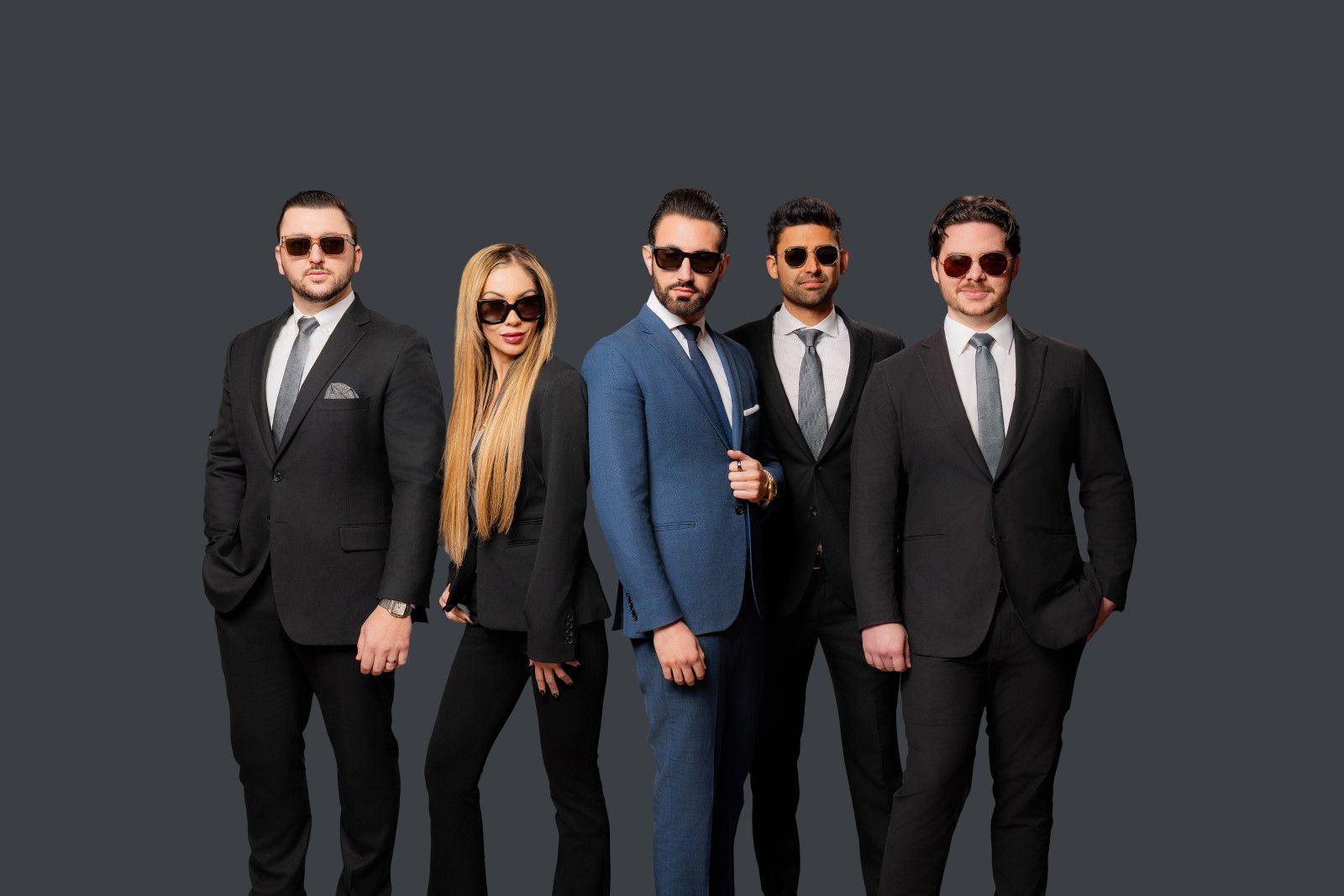
Before the session, align with your photographer on three non-negotiables: background (a single solid neutral tone applied consistently across the entire group), framing (tight headshots or wider executive portraits — one standard, not both), and lighting (professional controlled lighting, not natural window light, which shifts throughout the day).
If your company has a visual brand guide that includes photography standards, share it with the photographer before the session. If you have existing headshots on the website, share those too, so the new images can match or improve on the existing standard.
Christopher Todd's Pro Tip:
To maintain brand consistency, communicate the style you are trying to achieve with your employees. Be sure to also communicate this with the photographer.
Mistake # 6 Only Photographing Part of the Team

Why Is Partial Team Coverage a Problem That Compounds Over Time?
Photographing only part of the team is a decision that seems practical in the moment and creates a visible problem for years afterward.
What typically happens
The session is scoped for the core team, the people who are definitely in the office and definitely available. The new hires, the remote employees, and the people who had conflicts that day are left out. They will be added later.
Later arrives six months after the session. The new hire's headshot is taken by a different photographer with a different setup. The background does not quite match. The lighting tone is different. The framing is slightly wider. On its own, the image is fine. On the team page next to the others, it is visibly different, and it stays that way until the next company-wide session.
What to do instead
Scope for the complete team from the start, including remote employees and anticipated new hires within the next quarter. For hybrid employees, build a dedicated scheduling block on a day they are in the office. For remote employees in the Orange County area, schedule individual studio sessions. For remote employees outside the area, send a consistent brief to a local photographer in that region so the output matches your brand standard.
The cost of covering the full team upfront is significantly lower than the cost of managing inconsistency on the team page for the next two to three years.
Christopher Todd Studios provides
professional headshots in Newport Beach for senior professionals across the financial, legal, and professional services sectors. Sessions are structured, efficient, and delivered with a confirmed turnaround.
Mistake # 7 Not Asking About File Delivery Format
What Should You Require at File Delivery and Why It Matters?
File delivery requirements are the most commonly overlooked part of the brief, and one of the most consequential when they are missing.
What typically happens
The images arrive in a folder with 60 files named IMG_4421.jpg through IMG_4481.jpg. Your CMS team needs files named by employee. Renaming 60 files manually takes two hours. The website launch is delayed.
Or the images are delivered at 72 DPI because no one specified print requirements, and the files cannot be used in the annual report or the conference booth.
Or the delivery link expires before the operations coordinator realizes it needs to be downloaded and stored internally.
What to do instead
Confirm the following in writing before the session is locked:
- File format: High-quality JPEG for web, 300 DPI minimum for print, square crop option for LinkedIn
- File naming: FirstName_LastName.jpg, not session numbers or timestamps
- Delivery method: Download link, shared cloud folder, or direct transfer, and confirmed with an expiration date
- Retention: How long the photographer retains files after delivery
- Turnaround: Exact delivery date confirmed in writing, not estimated
These are not unusual requirements. A photographer with corporate experience will have a standard for all of them before you ask.
Christopher Todd Studios provides
executive headshots in Orange County for senior professionals throughout Newport Beach and the surrounding area. Studio and on-site sessions available. Sessions are structured, efficient, and delivered with a confirmed turnaround.
Mistake # 8 Waiting Too Long to Update Images

How Do Outdated Headshots Affect Your Company?
Outdated headshots are one of those problems that feel manageable until they suddenly do not. The damage is not obvious. It builds quietly across every impression the image makes, which makes it easy to put off and hard to measure until someone points it out.
What typically happens
A prospective client visits the leadership team page. The headshots are four to six years old. The people in the photos look noticeably different from the people they met at the pitch meeting. The prospective client does not say anything. But the gap between the website and the in-person experience has registered, and it raises a quiet question about how current the company's other materials are.
Or a journalist uses the seven-year-old headshot pulled from the website for a feature article. The image runs in the publication permanently. There is no correcting it after the fact.
What to do instead
Establish a standard update cadence: every one to two years for the full team, with individual updates for new hires, significant role changes, and meaningful changes in appearance. Some companies tie headshot updates to annual review cycles to simplify scheduling.
The practical test for whether an image needs updating: would someone meeting you for the first time recognize you from your current headshot? If the answer is uncertain for anyone on the team page, the images are due for an update.
For
corporate headshots Irvine and
executive team headshots , Christopher Todd Studios offers both full team sessions and individual update sessions on an ongoing basis.
Mistake # 9 Choosing a Vendor Based on Price Alone

What Should You Require at File Delivery and Why It Matters?
File delivery requirements are the most commonly overlooked part of the brief, and one of the most consequential when they are missing.
What typically happens
The images arrive in a folder with 60 files named IMG_4421.jpg through IMG_4481.jpg. Your CMS team needs files named by employee. Renaming 60 files manually takes two hours. The website launch is delayed.
Or the images are delivered at 72 DPI because no one specified print requirements, and the files cannot be used in the annual report or the conference booth.
Or the delivery link expires before the operations coordinator realizes it needs to be downloaded and stored internally.
What to do instead
Confirm the following in writing before the session is locked:
- File format: High-quality JPEG for web, 300 DPI minimum for print, square crop option for LinkedIn
- File naming: FirstName_LastName.jpg, not session numbers or timestamps
- Delivery method: Download link, shared cloud folder, or direct transfer, and confirmed with an expiration date
- Retention: How long the photographer retains files after delivery
- Turnaround: Exact delivery date confirmed in writing, not estimated
These are not unusual requirements. A photographer with corporate experience will have a standard for all of them before you ask.
Mistake # 10 No Designated Point of Contact on the Day

What Gets Compromised When You Choose a Corporate Photographer Based on Price Alone?
Price is a legitimate factor in vendor selection. It becomes a problem when it is the only factor, because the things that get cut to produce a lower quote are precisely the things that determine whether the session runs smoothly and the images are usable.
What typically happens
The lowest-quoted photographer turns out to have limited corporate experience, no documented session process, and a turnaround time that does not fit the internal deadline. The session runs disorganized. The results are inconsistent. The company has spent money on a session that they need to redo.
Or the photographer delivers images without a clear brief and different backgrounds, inconsistent framing, variable lighting, and the company has to either accept the result or pay for another session.
What to do instead
Evaluate photographers on five criteria in addition to price:
- Consistent corporate portfolio: Team headshots specifically, not individual portraits
- Documented session process: How they structure the day, how they direct employees, how they handle no-shows
- On-site experience: Specific experience in corporate office environments
- Clear delivery commitments: Turnaround, file format, naming conventions. All confirmed in writing
- Communication standard: Response time and clarity in the inquiry process are a reliable preview of what working with them will be like
The cost difference between a photographer who meets all five criteria and one who meets none is typically small relative to the total project cost. The difference in outcome is not.
The Pattern Behind All Ten Mistakes
These ten mistakes do not have ten different causes. They have one: treating a headshot project as a photography project rather than a coordination project.
The photography happens in a few hours. Everything that determines whether it goes well happens in the days and weeks before. The scope definition. The employee communication. The schedule structure. The vendor brief. The delivery requirements.
Get those elements right, and the session runs cleanly. The images are consistent. The delivery is usable. No one has to manage anything on the day.
That is what a well-run headshot project looks like, and it has very little to do with the camera.
Ready to Plan Your Corporate Headshot Day?
Most of these mistakes are entirely avoidable with the right process and the right photographer. Christopher Todd Studios works with HR and Marketing teams across Orange County to make headshot days predictable, consistent, and professionally handled from first contact to final delivery.
Frequently Asked Questions: Corporate Headshots in Orange County
Are these mistakes more common in large companies or small ones?
They distribute differently. Large companies are more likely to encounter scheduling failures, partial coverage, and day-of coordination problems — because the complexity scales with team size. Smaller companies are more likely to make vendor selection errors and skip the brief entirely, because the project feels more manageable and therefore receives less structured planning. The mistakes that cost the most — poor vendor selection and no brand consistency brief — are equally common across both.
How do you recover if a session has already gone wrong?
It depends on what went wrong. Inconsistent backgrounds and lighting mismatches can sometimes be addressed in post-processing, though not always to a standard that works across the full team. Delivery format and naming issues can be corrected by the photographer after the fact with the right ask. Results that are genuinely off — technically poor quality, employees who are visibly unhappy with their images — typically require a reshoot. The better question is which of these problems could have been prevented with a clear brief and a documented process, because the answer is most of them.
What is a realistic budget expectation for a corporate headshot day in Orange County?
Budget varies significantly based on team size, format (studio vs. on-site), turnaround requirements, and the experience level of the photographer. The mistake most companies make is scoping for the lowest number rather than for what the project actually requires. A photographer who charges less but lacks corporate experience will produce results that cost more to correct than the savings on the original quote. Budget for the full scope — headcount, format, delivery requirements, and turnaround — before you evaluate quotes.
What background works best for an corporate headshots?
Solid neutral backgrounds — grey, charcoal, white, or a dark tone — produce the most professional and versatile results. They do not compete with the subject, they do not age quickly, and they work across the full range of digital and print contexts where the image will appear. Environmental backgrounds can work in specific situations, but they require more intentional setup and carry more risk of looking dated or context-specific within a few years.
Can we shoot on-site if our office space is not ideal?
Yes. A professional corporate photographer can set up a clean shooting environment in most office spaces — a conference room, a lobby area, or any room with sufficient ceiling height and minimal background clutter. Share photos of your space in advance so the photographer can confirm what they need to bring.
What is the typical turnaround for corporate headshots?
Standard delivery for a corporate team session is typically two-three business days. Same-day or next-day options may be available for smaller sessions or urgent timelines — confirm this before you book.

Meet Christopher Todd: Your Orange County Photographer
Hi, I’m Christopher Todd! I launched
Christopher Todd Studios back in 2000, but my love for photography started long before that.
Born and raised in Orange County, I’ve spent my life exploring this beautiful area. From surfing in Huntington Beach to discovering the best photo spots across the OC. Over the past
25 years as a professional photographer, I’ve continued to learn, grow, and refine my craft.