
Corporate Team Headshots in Orange County: A Step-by-Step Planning Guide for HR and Marketing

Corporate Team Headshots in Orange County: A Step-by-Step Planning Guide
If you are coordinating your company's headshot day, you already know the photography itself is only part of the project.
The harder part is everything around it. I'm talking about scheduling across departments, communicating expectations to employees, choosing between a studio or an on-site photo session, and making sure the final images meet the brand standards your company needs.
This guide is written for HR managers, Marketing directors, and Operations leads planning
corporate team headshots in Orange County. It covers the process from initial scoping through final delivery.
Table of Contents
- How to define scope before you contact a photographer
- How to choose between studio and on-site headshots for your team
- What to communicate to employees before photo day
- How to schedule efficiently without disrupting operations
- Brand consistency standards that protect your investment
- What to know about file delivery
- How to evaluate and select the right photographer
- FAQs
Who Is Responsible for Coordinating Corporate Headshots in a Company?

In most companies, headshot days don't have a dedicated owner. They land on the plate of whoever is closest to the problem; therefore, it is usually someone in HR or Marketing who already has a full calendar.
That matters because the coordination decisions made before the session directly determine the quality of the output.
Here is what typically goes wrong when there is no clear owner:
- No scope definition: The photographer receives unclear direction and produces work that misses internal expectations
- No employee communication: Employees show up unprepared, wearing the wrong clothes, which slows the session and affects results
- No scheduling structure: The day runs long, disrupts operations, and leaves some employees unphotographed
- No delivery standards: Images arrive in the wrong format or without consistent naming, creating more work after the session
The companies that get this right treat headshot coordination the same way they treat any vendor management project: define the scope, set clear expectations, build a realistic timeline, and choose a photographer with a documented process.
STEP 1: What Should You Define Before Booking a Corporate Headshot Photographer?
The most common planning mistake is contacting a photographer before having a clear picture of what you actually need. Without a clear scope upfront, you end up with proposals that don't fit, timelines that don't work, and results that fall short of internal expectations.
Before reaching out, work through these four areas:
Headcount
Know your total number of employees to be photographed, whether this is a one-time session or an ongoing program for new hires, and whether remote employees require a separate scheduling window. Headcount drives format, timeline, and pricing. Every other decision starts here.
Format
Decide whether you need a studio session, an on-site session at your office, or a combination of both. If on-site, confirm you have appropriate space like a conference room, lobby, or clean neutral area. If studio, confirm that the location and travel time are realistic for your team.
Usage
Identify where images will appear: website, LinkedIn, internal directories, press materials, speaking bios. Do this before the session, not after. Different placements often require different crops. Website banners may need a horizontal version. Different departments may have different requirements. These details affect how your photographer shoots and what they deliver.
Turnaround
Know whether a hard deadline is driving the session. For example, a website launch, a conference, a new hire announcement, and how many business days you need between sessions and delivery. Establish internally who handles file distribution once images arrive, so that it is not a decision being made the day files land in your inbox.
Why this matters: Photographers who ask these questions before sending a proposal are the ones with the operational experience to run a professional corporate session. If a photographer does not ask, consider that a signal.
Your Team Deserves Headshots That Reflect the Quality of Your Work.
Inconsistent or outdated team photography is one of the most common and most overlooked gaps in corporate brand presentation. Christopher Todd Studios provides structured, professionally managed headshot sessions for companies across Orange County, with clean, consistent imagery delivered on time and ready to use.
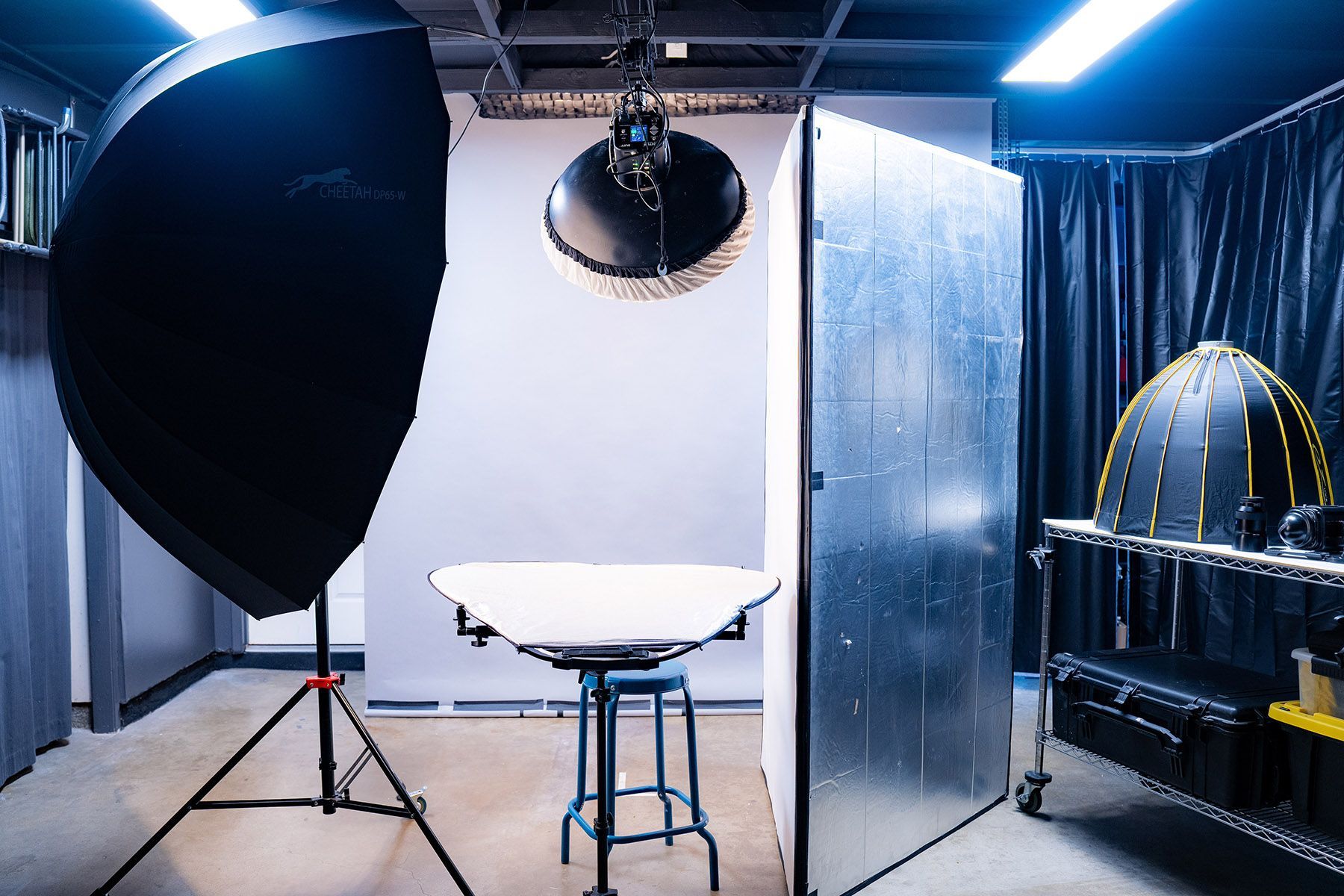
STEP 2: Should You Come into the Studio or Bring in an On-Site Photographer for Corporate Team Headshots?
This decision depends less on preference than on operational reality. Here is a straightforward breakdown:
Choose an Off-Location Studio Session When:
- Your team is fewer than 4 people
- You want maximum control over lighting consistency and background options
- Employees are in one location and can travel easily
- Your office does not have a clean, quiet space suitable for photography
- Image quality is the primary priority over logistical convenience
Choose an On-Site Session When:
- Your team is larger than 5, and coordinating travel is logistically complex
- You have hybrid or shift-based employees who cannot easily leave the office
- You want to minimize time away from work for each employee
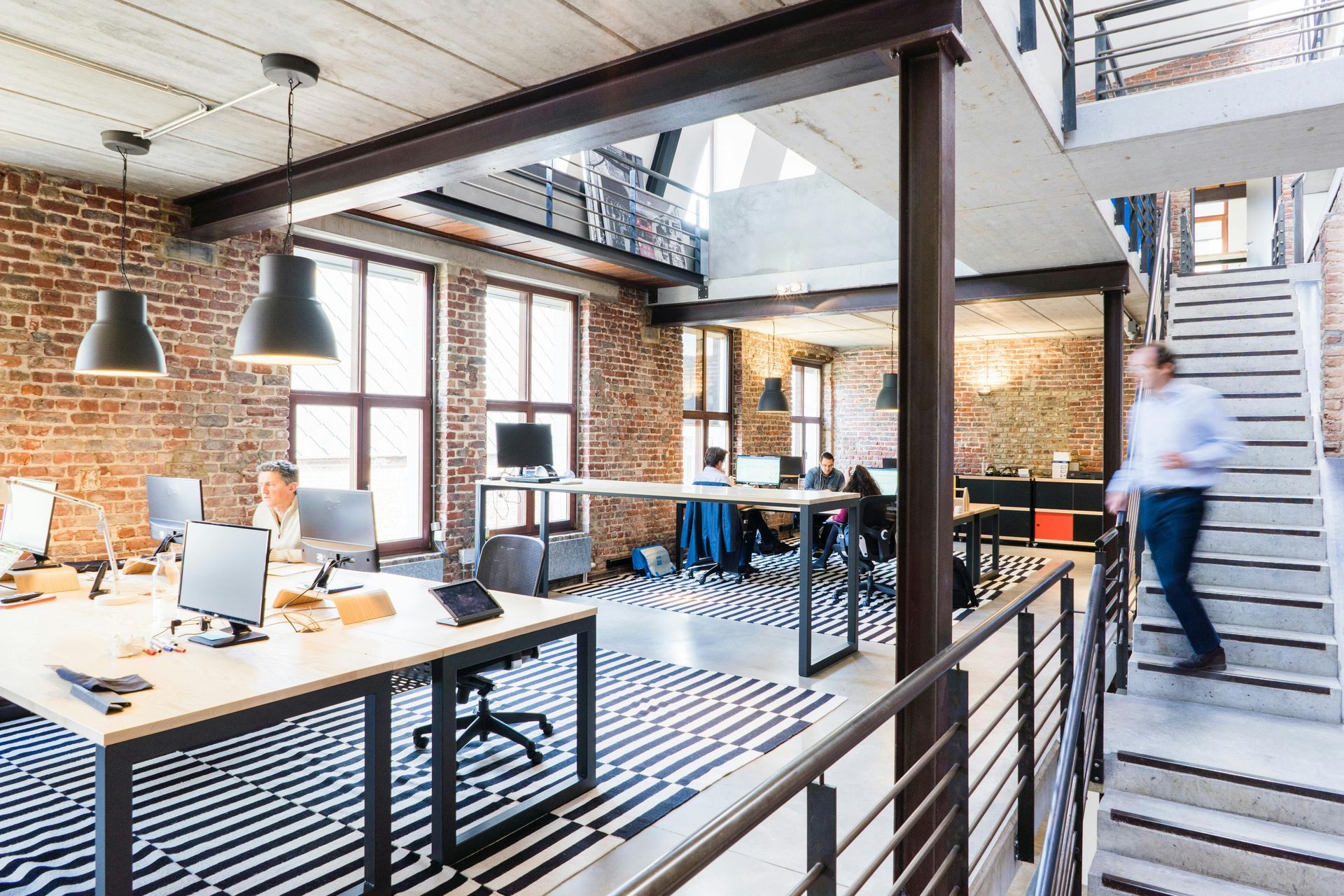
- Your office has a conference room or lobby that works as a clean shooting environment
- You are coordinating across multiple departments on the same day
For larger companies with teams across multiple floors or buildings, on-site is almost always the better operational choice. For smaller professional groups where image quality is the primary concern, a controlled studio environment typically produces the strongest result. Our mobile studio set up is perfect for any size office space.
Christopher Todd Studios
provides both studio and on-site
headshot services throughout Orange County, including Irvine, Newport Beach, and Costa Mesa. For on-site sessions, we handle setup, employee flow, and breakdown. Your team stays focused on their work.
STEP 3: What Should Employees Know Before a Corporate Headshot Session?
Pre-session communication is the most underestimated variable in corporate headshot planning. When employees arrive unprepared, it shows in the photographs, and it slows the session for everyone.
Send a simple internal communication five to seven business days before the session. It should cover three areas:
Wardrobe
- Solid, neutral colors photograph best: navy, charcoal, grey, black, soft blues
- Avoid loud patterns, bold prints, shiny fabrics, or overly casual clothing
- Two to three outfit options are ideal, so bring a variety if the schedule allows
- Long sleeves typically photograph better than sleeveless styles
- Keep accessories minimal and understated
Grooming
- Schedule haircuts about one week before, not the day of
- Facial hair should be groomed the morning of the session
- Makeup should match everyday professional standards and be natural, not overdone
- Stay well hydrated in the days leading up
What to Expect on the Day
- Sessions are fully guided, so employees do not need to know how to pose
- Each individual will be photographed in under 10 minutes
- Images are reviewed during the session so adjustments can be made in real time
- Results will be delivered digitally within the agreed turnaround window
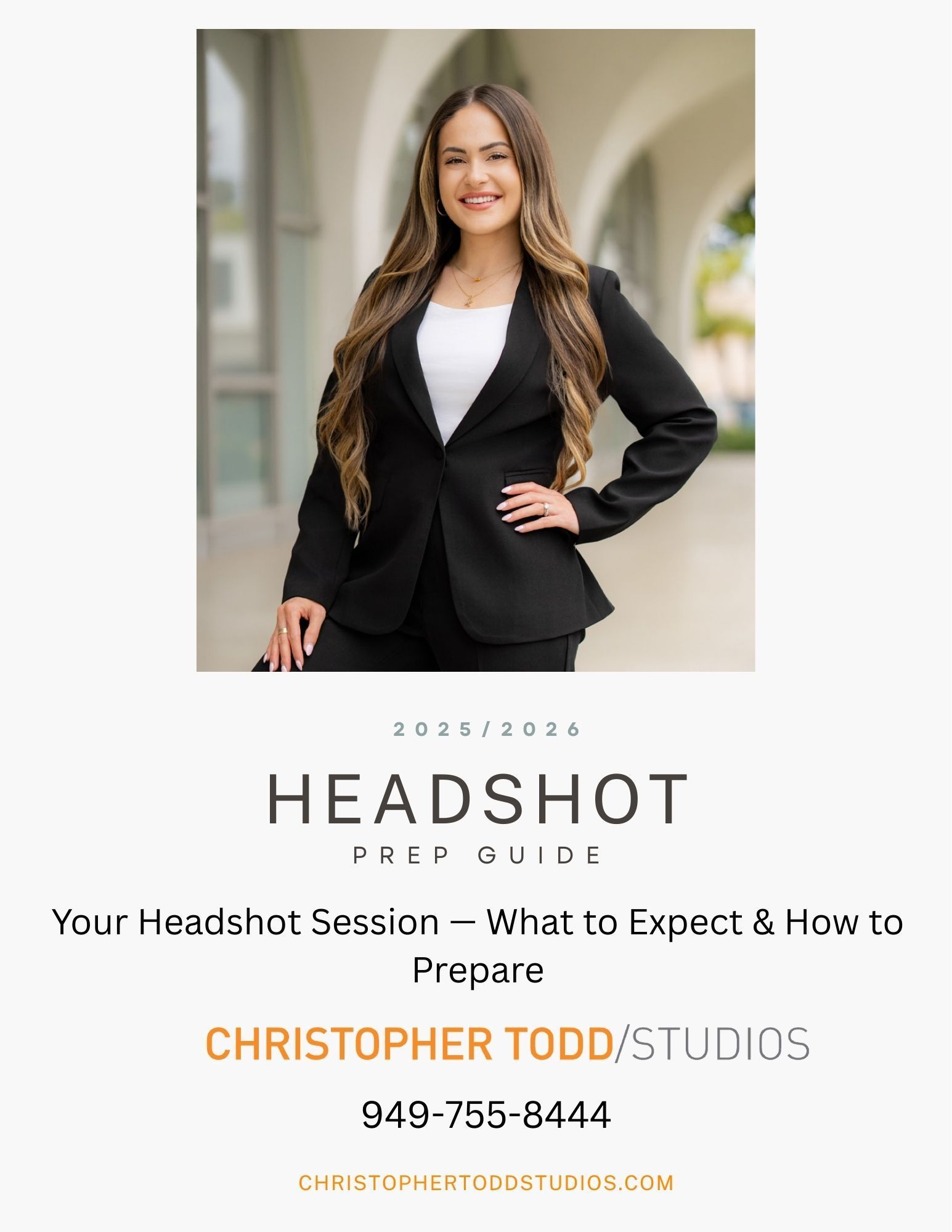
Preparation guide: Christopher Todd Studios includes a pre-session preparation guide with every booking. Share it directly with your team as part of your internal communication. This helps to eliminate most day-of questions before they arise.
Christopher Todd's Pro Tip:
Send the Prep Guide on a Tuesday or Wednesday
Ideally, send the prep guide 3-4 days before photo day at the office. It is important to note that employee communication matters. Sending it on a Monday means it gets buried in the start-of-week inbox rush. Sending it on Thursday or Friday means it sits over the weekend and gets forgotten. Tuesday or Wednesday lands when people are in their workflow. This means they are more likely to read it, act on it, and show up prepared.
STEP 4 How Do You Schedule a Corporate Headshot Day Without Disrupting the Office?
How you structure the day determines whether the session runs smoothly or becomes a source of friction. These five principles consistently produce the best results:
1. Block by Department, Not Alphabetically
Group employees by team so no single department is pulled away from work at the same time. This protects productivity and makes it easier for managers to coordinate their own teams without your direct involvement.
2. Build in Buffer Time
Plan for 10 to 15 minutes of buffer between groups and at the start of each hour. Employees run late. Wardrobe changes take longer than expected. A schedule with no margin becomes a schedule that falls apart by midday.
3. Designate a Day-Of Contact
Assign one internal person to be the on-site contact for the photographer. This person manages employee flow, tracks who has been photographed, and handles real-time schedule adjustments. Without this role filled, coordination falls back on you between other meetings, or on the photographer, which creates friction.
4. Schedule Executives Separately
Senior leadership, also referred to as the C-Suite, often needs more flexibility and more time. Schedule executives in a dedicated block first thing in the morning, before the general session, or at a separate time entirely. This keeps the executive session from feeling rushed, which directly affects results.
5. Plan for No-Shows
In any group session, some employees will miss their slot. Build a catch-all block at the end of the day for late additions, and communicate clearly in advance that missing a scheduled time means waiting until the end and not rescheduling. This motivates employees to show up on time without requiring follow-up from your team.
Christopher Todd's Pro Tip:
Photograph Your Hardest Employees First
Let's face it, every office has someone who dreads photo day. Whether that person says they are not photogenic or is very particular and wants extra time to get the perfect shot. Scheduling those employees early in the day allows the photographer to not be rushed with them. They get their photos taken and out of the way, and the photographer gets to spend a little extra time with them.

STEP 5: How Do You Ensure Consistent Headshots Across Your Entire Team?
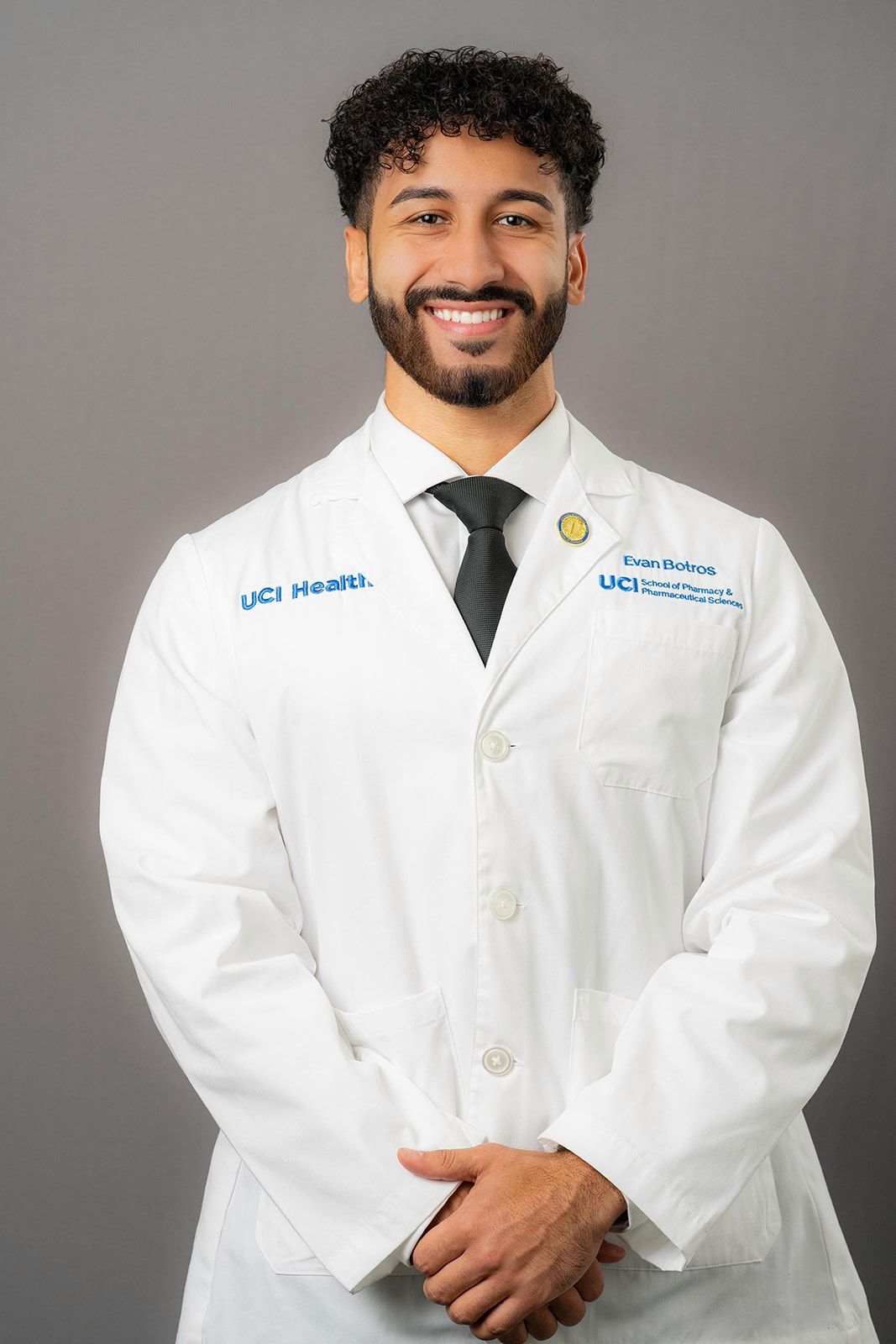
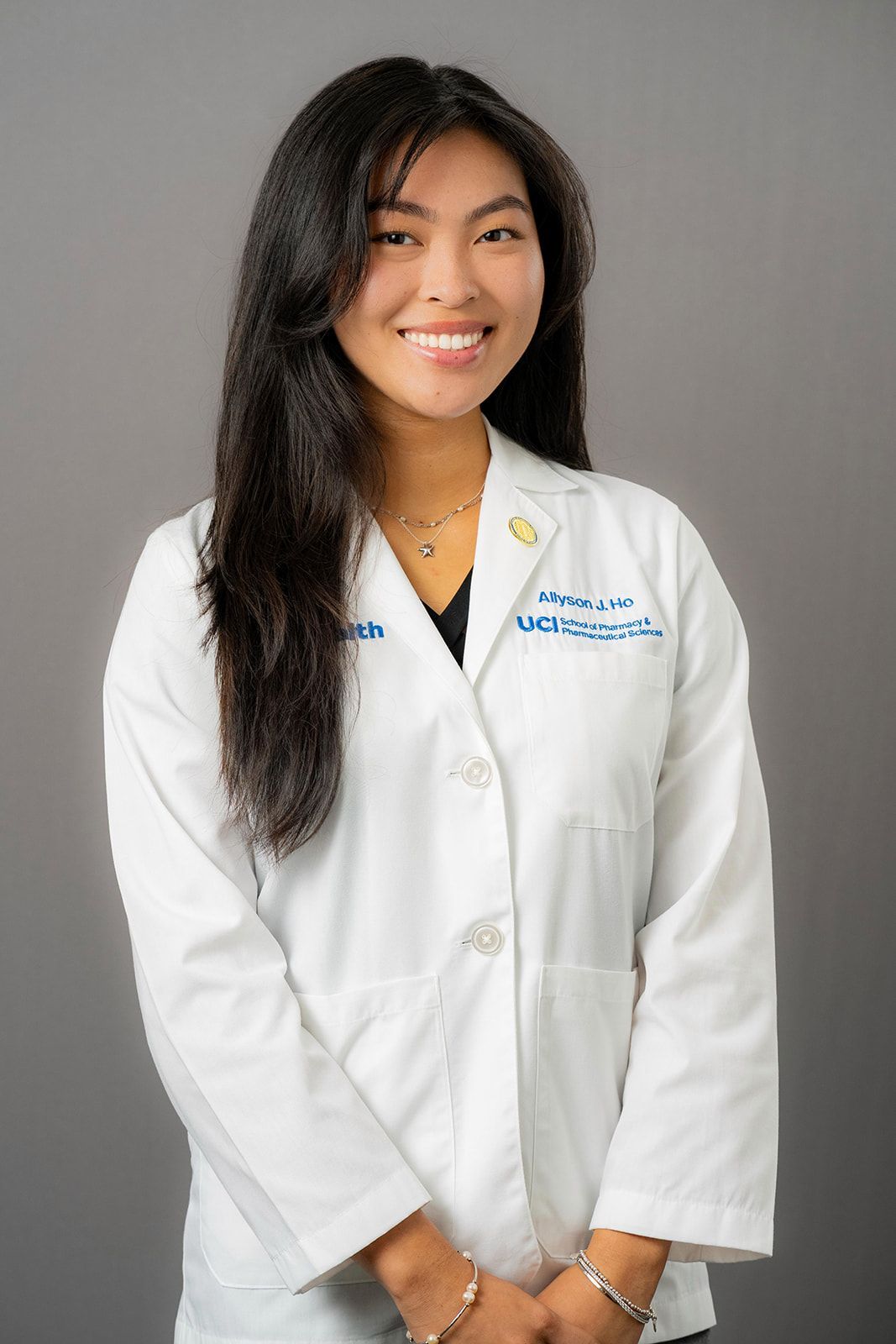
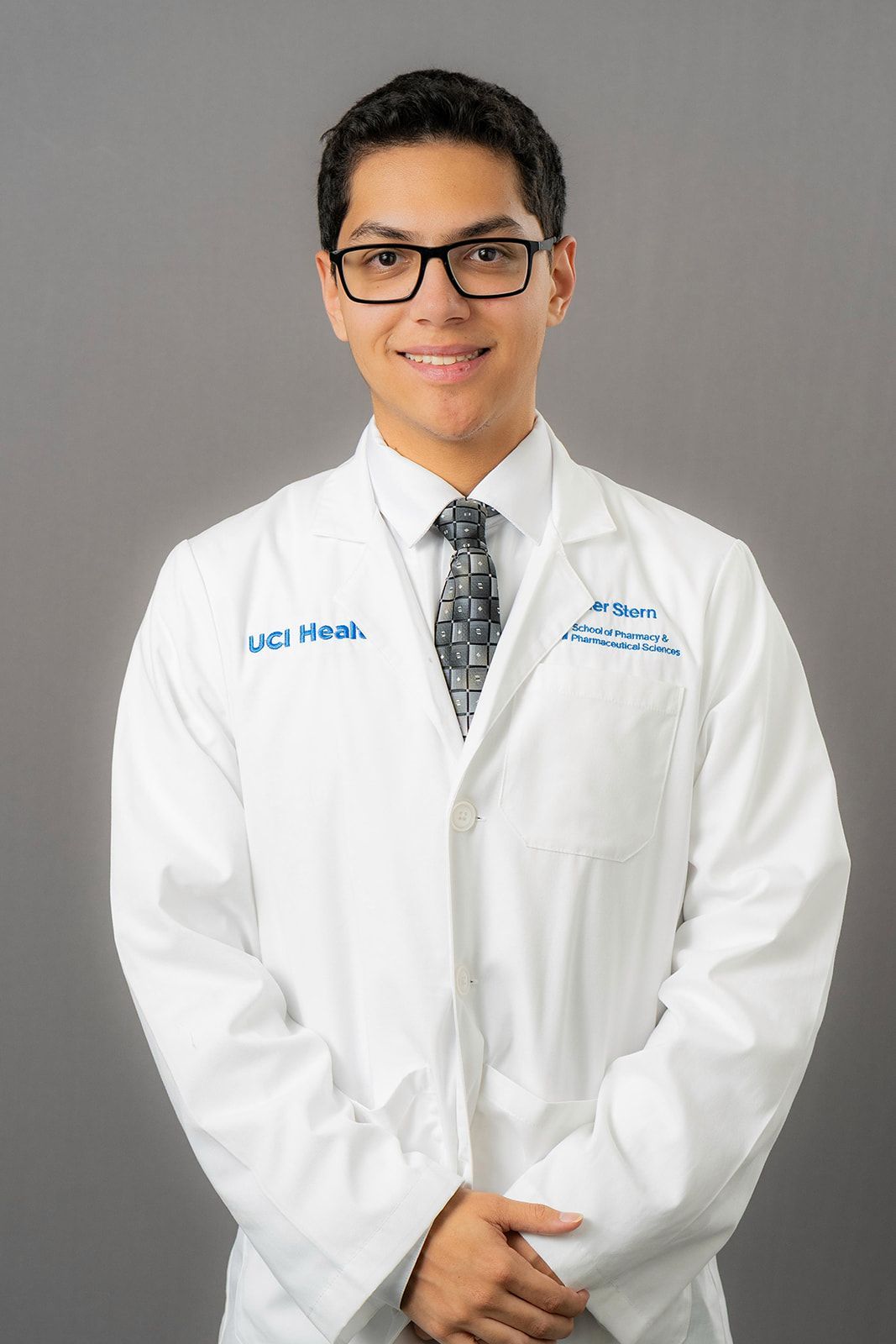
The most common complaint after a corporate headshot day is inconsistency, like images that look different across departments, or a new set of photos that doesn't match existing ones on the website. This is almost always a briefing problem, not a photography problem.
Before the session, align with your photographer on three things:
Background
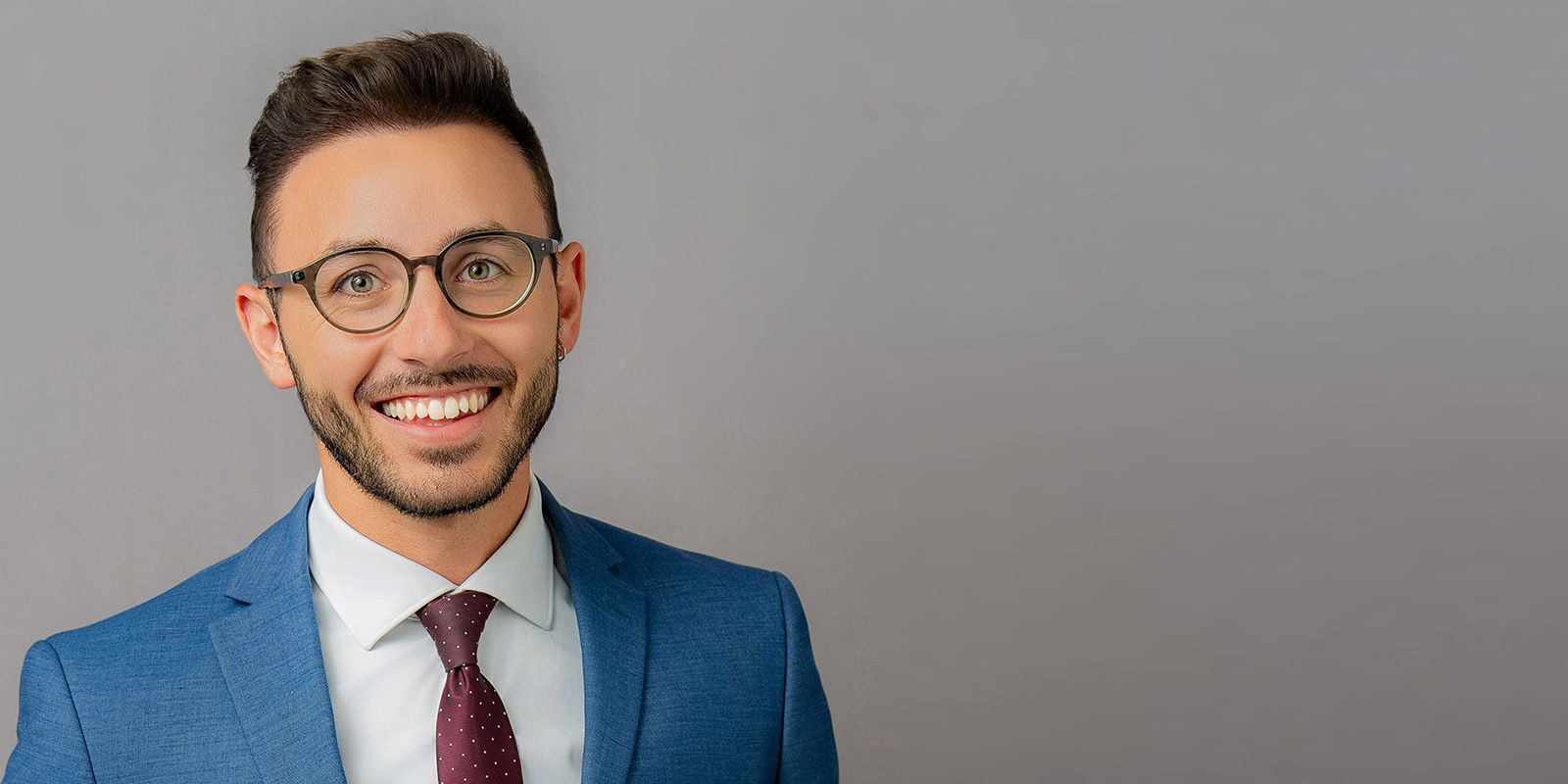
- Solid neutral backgrounds: grey, white, charcoal, produce the most consistent, professional results
- Avoid branded or environmental backgrounds unless there is a specific strategic reason
- If you have existing headshots on the website, share them with your photographer so they can match the standard
Framing
- Decide in advance: tight headshots (head and shoulders) or wider executive portraits
- Consistency of framing across the team matters more than any individual's shot preference
- If images will appear in a grid format on your website, consistent crop ratios are essential
Lighting
- Professional studio lighting produces the most consistent, repeatable results
- For on-site sessions, confirm how your photographer controls for variable lighting conditions in your space
- Avoid relying on natural window light for team sessions, which can shift throughout the day and create inconsistency
If your company has a visual brand guide that includes photography standards, share it with your photographer before the session. A professional corporate photographer will work within those parameters.
Christopher Todd's Pro Tip:
Take One Reference Shot and Lock It
At the beginning of the photo session, have the key decision makers in the room so they can review the first few headshots taken. This allows the photographer to fine-tune and dial in the look and cohesiveness the company is looking for. As you move forward with the team, the photographer will be able to match the headshots and deliver the precise look, including lighting, cropping, and background.
STEP 6: What File Formats and Delivery Standards Should You Discuss with a Headshot Photographer?
Most companies underestimate how important it is to specify delivery requirements in advance. Receiving 50 headshots in the wrong format, or without consistent file naming, creates work on the back end that delays website updates and frustrates your CMS team.
Before the session, confirm the following:
File Formats
- Web use: High-quality JPEGs sized for web display
- Print use: High-resolution files at 300 DPI minimum
- LinkedIn: Standard JPEG, square crop option preferred
- Website: Confirm specific pixel dimensions or aspect ratios your site requires
Delivery and Retention
- Confirm delivery method, via download link, shared cloud folder, or direct transfer
- Establish who on your team receives the delivery link and who handles internal distribution
- Confirm how long the photographer retains your files after delivery
Turnaround Timeline
- Get the delivery date confirmed in writing before the session is locked
- Ask whether same-day or next-day editing is available for an urgent timeline

How Do You Choose the Right Corporate Headshot Photographer in Orange County?
The right photographer for corporate team headshots is not necessarily the most creative one or the most affordable one. It is the one with the operational experience to run a multi-person session cleanly, consistently, and without creating friction for your team. It is also extremely important the photographer you choose can be personable and direct the employees to get the best facial expressions.
When evaluating photographers, look for these five indicators:
- Consistent corporate portfolio: Review their work specifically for team headshots and executive portraits. Consistency across subjects is the most important signal.
- Structured session process: Ask how they direct employees during the session. A photographer who actively guides posture, expression, and positioning produces more consistent results than one who leaves subjects to figure it out themselves.
- On-site experience: If you are planning an on-site session, confirm they have done this in a corporate environment. Set up, space management, and employee flow in an office are different from those in an off-site studio location.
- Clear delivery commitments: Turnaround timeline, file formats, and delivery method should all be confirmed in writing before the session date is locked. Vague answers here typically mean vague delivery later.
- Responsive communication: A photographer who responds quickly, asks the right questions upfront, and provides clear pre-session guidance creates less work for you throughout the entire process. That standard of communication before the booking is the best preview of what working with them will be like.
These five signals separate photographers who produce consistent corporate results from those who produce inconsistent ones. Weight them in order — portfolio consistency first, process second, everything else after.
Christopher Todd Studios has provided corporate team headshots for companies throughout Orange County, including
corporate headshots in Irvine,
Newport Beach, executive portraits
in Costa Mesa, and
Anaheim corporate events. Studio and on-site options are available. Sessions are structured, efficient, and delivered with a confirmed turnaround. Contact us to discuss your team's needs. For
planning a law firm-specific headshot day, see our planning guide.
What Makes a Corporate Headshot Day Successful?
For HR and Marketing managers, a successful headshot day is not just one where the photographs turn out well. It is one where employees showed up prepared, the schedule ran on time, no one had to make last-minute decisions, and the final images arrived in a format the team could actually use.
That outcome is almost entirely determined by what happens before the session, the scope definition, the internal communication, the scheduling structure, and the photographer selection.
The checklist is straightforward:
- Define scope before contacting a photographer
- Choose off site studio or an on-site location based on team size and logistics
- Send employee preparation communication 5–7 days before
- Build a department-blocked schedule with buffer time
- Brief your photographer on background, framing, and lighting standards
- Confirm file formats, naming conventions, and delivery timeline in writing
- Designate a day-of internal contact to manage employee flow
Get those elements right, and the session itself tends to take care of itself.
Ready to Plan Your Team's Headshot Day?
Christopher Todd Studios provides structured, professionally managed corporate team headshots for companies across Orange County. Studio and on-site sessions available. Fast turnaround. No babysitting required.
Frequently Asked Questions: Corporate Team Headshots in Orange County
How long does a corporate headshot day typically take?
For a team of 25 employees, plan for approximately four to five hours — including setup, buffer time, and a dedicated executive block. For teams of 50 or more, a full day is standard. Your photographer should provide a time estimate based on headcount and format before you confirm the booking.
What if employees miss their scheduled slot?
Build a catch-all block at the end of the session day for late additions. Communicate clearly in advance that missing a scheduled slot means waiting for the end of the day — not a separate reschedule. This approach protects the schedule without requiring follow-up from your team.
How often should corporate headshots be updated?
A standard cadence is every two to three years for the full team, with individual updates for new hires and employees with a significant change in appearance or role. Some companies tie headshot updates to annual review cycles to simplify scheduling.
Can we shoot on-site if our office space is not ideal?
Yes. A professional corporate photographer can set up a clean shooting environment in most office spaces — a conference room, a lobby area, or any room with sufficient ceiling height and minimal background clutter. Share photos of your space in advance so the photographer can confirm what they need to bring.
What is the typical turnaround for corporate headshots?
Standard delivery for a corporate team session is typically two-three business days. Same-day or next-day options may be available for smaller sessions or urgent timelines — confirm this before you book.
How do we handle headshots for remote or hybrid employees?
For hybrid employees, build a dedicated scheduling block on a day they are in the office. For fully remote employees in the Orange County area, a studio session can be booked individually. For remote employees outside the area, discuss options with your photographer — some situations call for a consistent brief sent to a local photographer in that region so the output matches your brand standard.

Meet Christopher Todd: Your Orange County Photographer
Hi, I’m Christopher Todd! I launched
Christopher Todd Studios back in 2000, but my love for photography started long before that.
Born and raised in Orange County, I’ve spent my life exploring this beautiful area. From surfing in Huntington Beach to discovering the best photo spots across the OC. Over the past
25 years as a professional photographer, I’ve continued to learn, grow, and refine my craft.