
The Corporate Planner's Guide to Conference and Convention Photography in Orange County
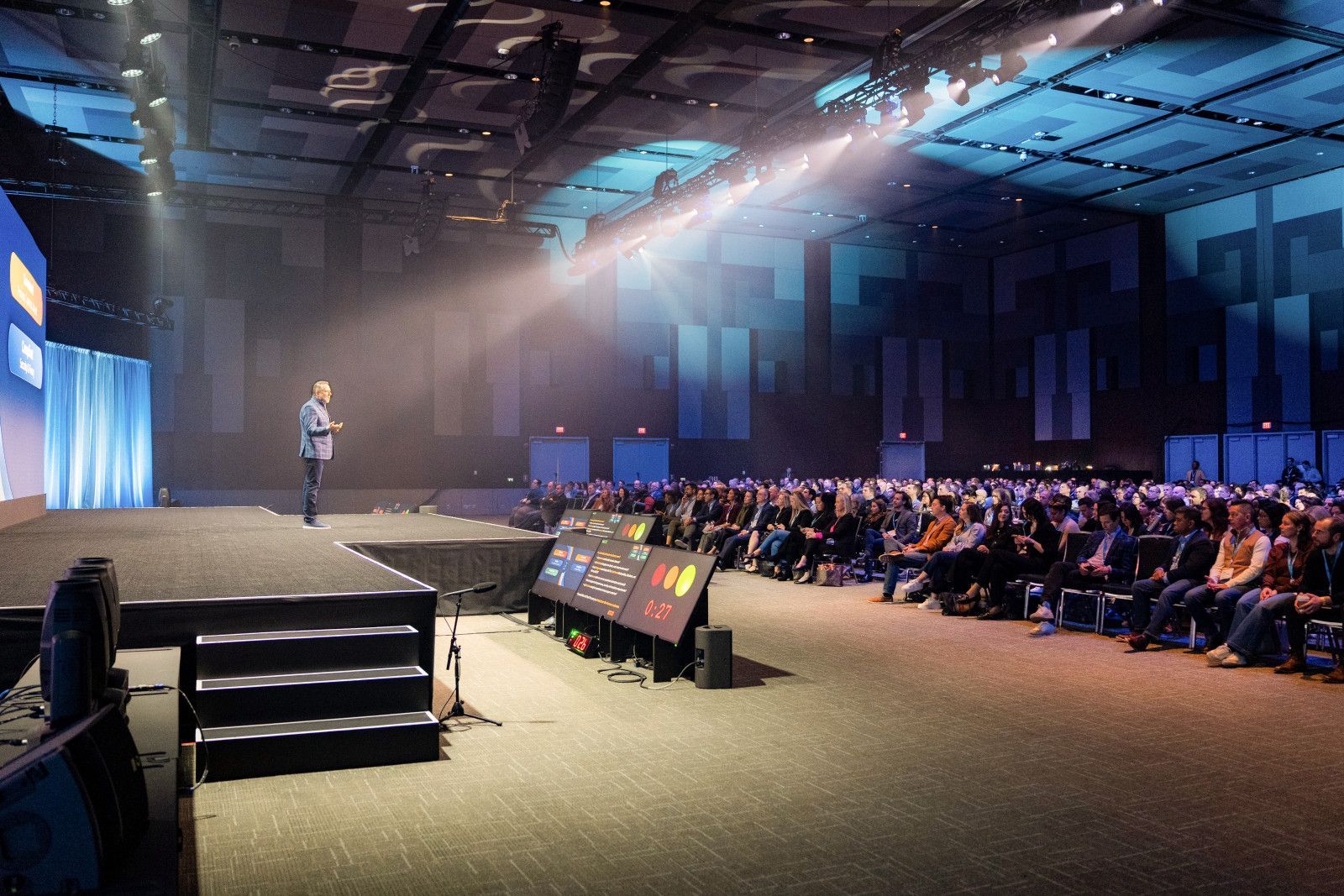
The Corporate Planner's Guide to Conference and Convention Photography in The OC
Corporate conferences, conventions, and expos are high-visibility events. The photography from these events will appear across your organization's website, social channels, press materials, sponsor recaps, and internal communications for months, sometimes years, after the last attendee leaves the building.
Choosing the right conference photographer in Orange County is not a minor logistics line item. It is a brand decision that affects how your event is represented everywhere it appears.
This guide is written for marketing directors, event coordinators, and operations managers responsible for producing conference-level events in Orange County and the greater Southern California region. It covers what conference photography actually includes, how to plan multi-day coverage, what to expect from a professional vendor, and how to evaluate whether a photographer has the venue experience your event requires.
About Christopher Todd Studios: We are a partner and preferred vendor with Visit Anaheim and photograph conferences, conventions, and expos at Orange County and Long Beach venues multiple times each year, including the Anaheim Convention Center, the Long Beach Convention Center, the Anaheim Marriott, the Irvine Marriott, Hilton, Hyatt, and Sheraton properties throughout the region.
- What Does a Conference Photographer Actually Cover?
- How Do You Plan Photography Coverage for a Multi-Day Conference?
- What Is the Difference Between a Conference Photographer and a General Event Photographer?
- Why Does Venue Experience Matter for Convention Photography in Orange County?
- How Do You Brief a Conference Photographer Before Your Event?
- What Deliverables Should You Expect From Conference Photography?
- How Far in Advance Should You Book a Conference Photographer in Orange County?
- What Questions Should You Ask Before Hiring a Conference Photographer?
- How Does Conference Photography Support Your Organization After the Event?
- Frequently Asked Questions
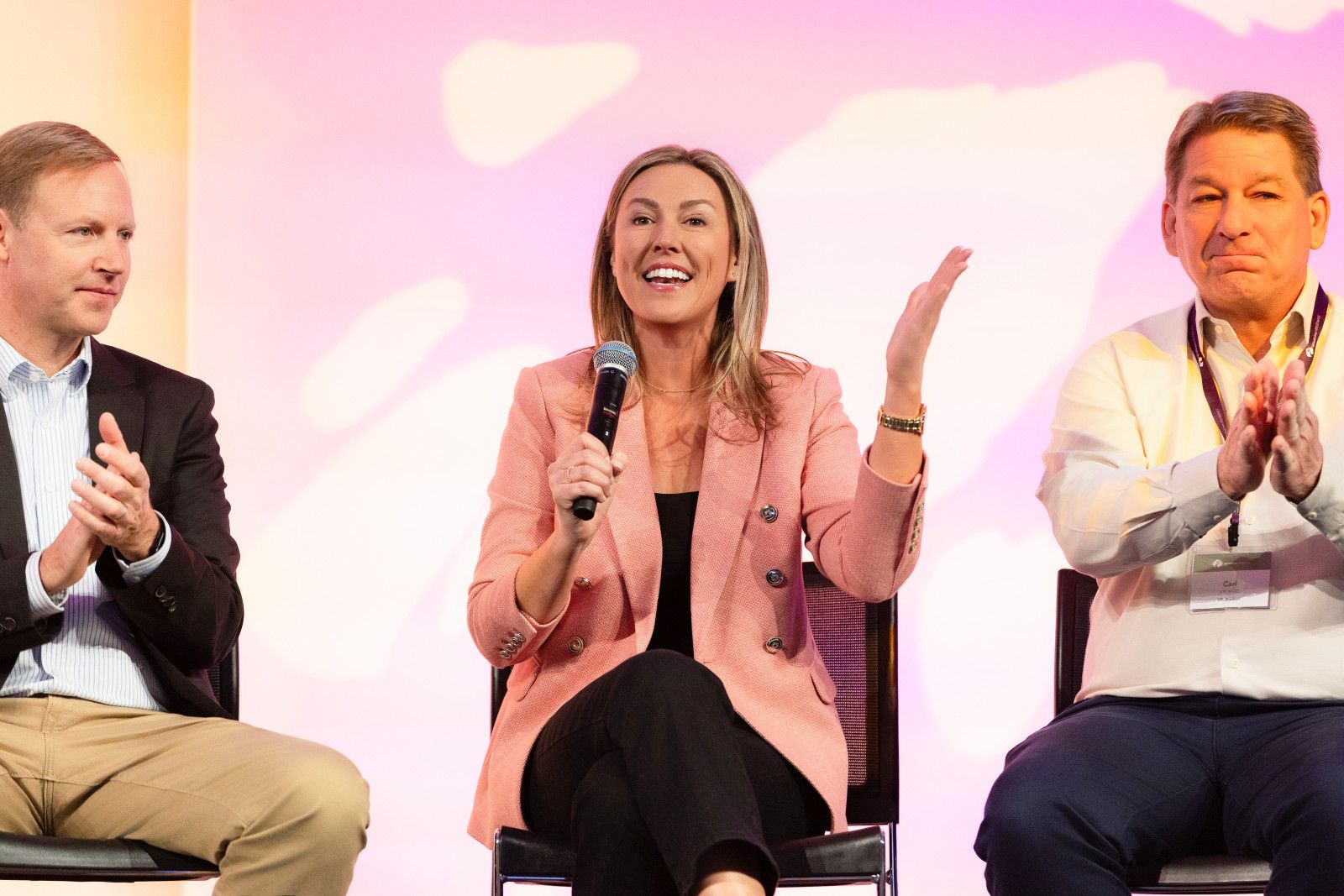
What Does a Conference Photographer Actually Cover?
A conference photographer documents the full operational reality of your event, not just the highlight moments.
Standard coverage includes:
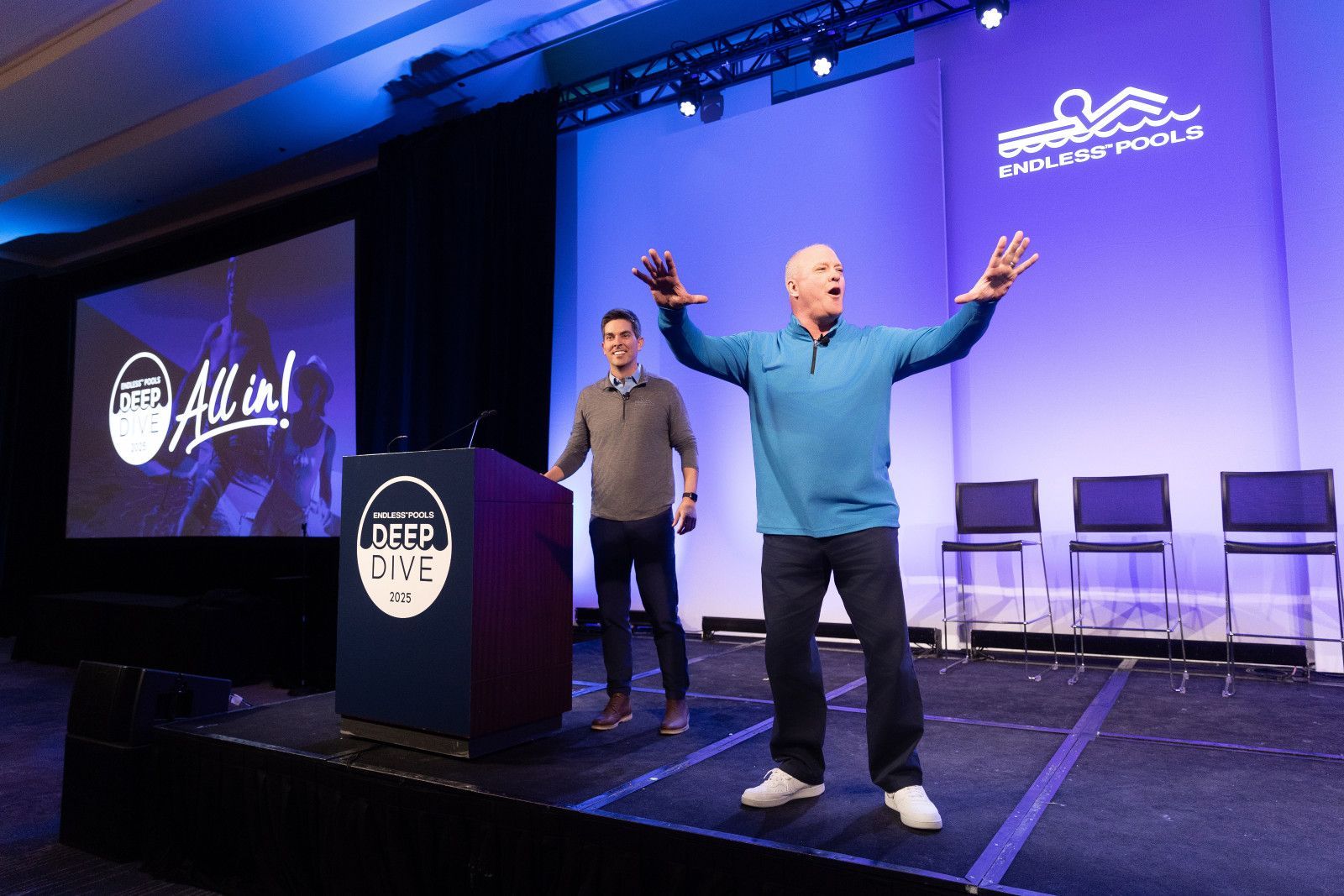
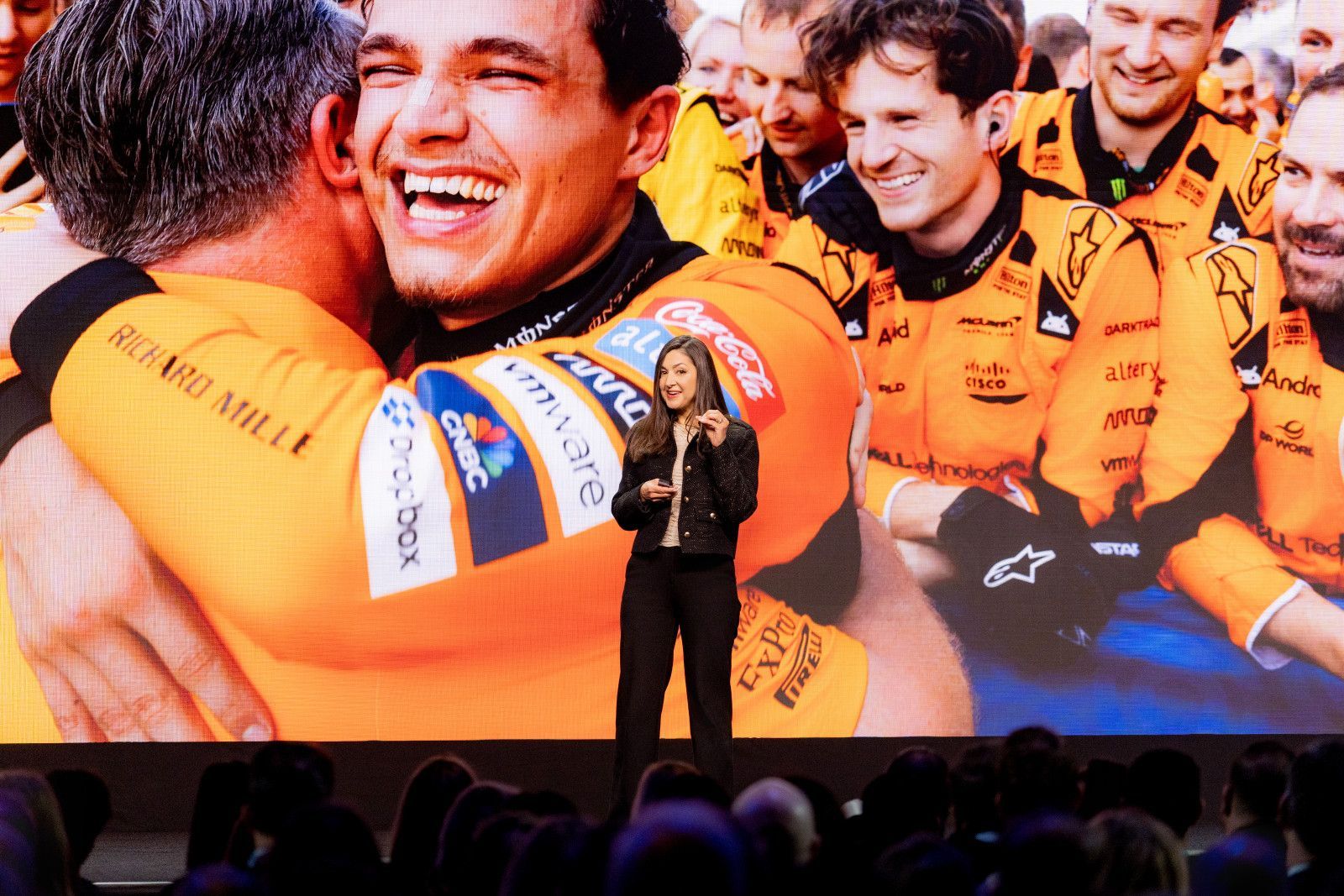
- General sessions and keynotes: speakers photographed from angles that capture both the presenter and audience context
- Breakout sessions and panels: coverage across multiple rooms as sessions run simultaneously
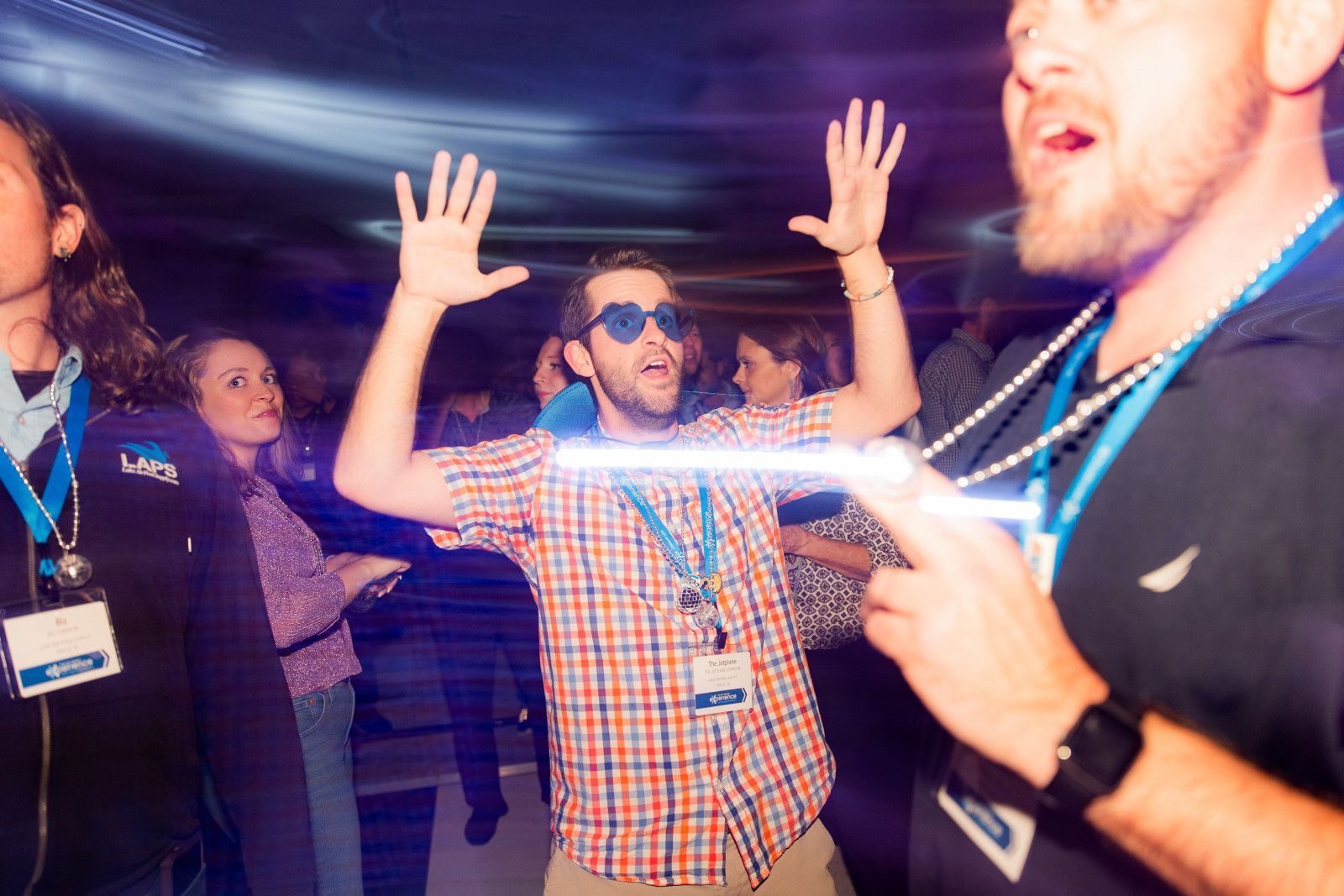
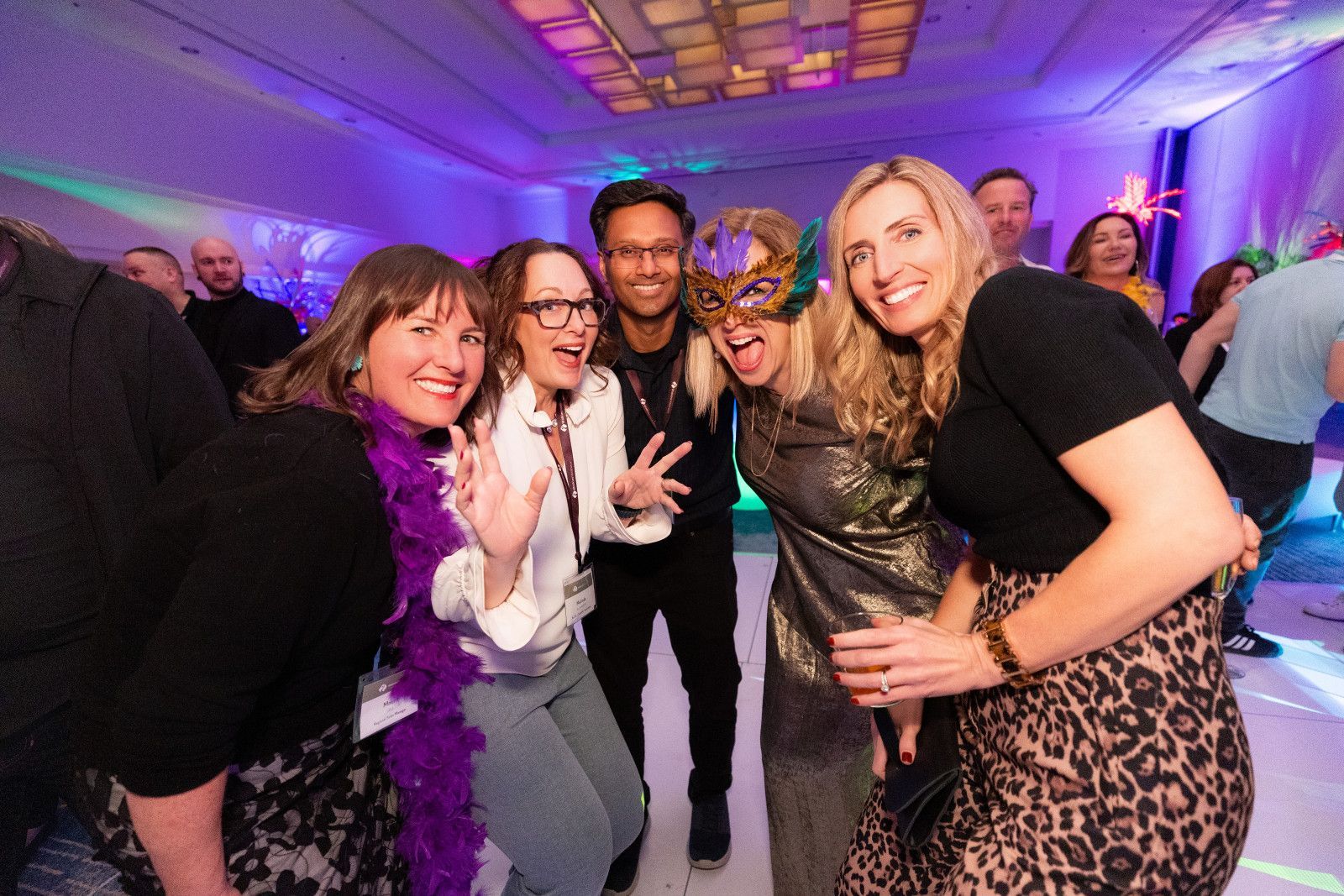
- Networking and receptions: candid documentation of attendee interactions that reflect the energy and scope of the event
- Trade show and expo floors: booth coverage, signage, branded activations, and attendee engagement
- Environmental and venue shots: establishing images of the full event space, stage setup, registration, and branding
- Sponsored elements: partner and sponsor signage, activations, and branded areas for recap materials
These are not editorial images for a magazine. They are working assets your team will use across press releases, annual reports, sponsor deliverables, social media, website updates, and internal communications.
What separates a qualified corporate conference photographer from a general event photographer is the ability to work independently across a large, moving event, without requiring direction from your team. They understand the lighting challenges at convention scale, the timing of keynote transitions, and how to position for panel coverage without disrupting the session.
At a well-executed conference, your photographer should require
minimal oversight after an initial briefing.
Christopher Todd's Pro Tip:
Your photographer should need less than 15 minutes of direction on day one. If they need more, they don't have the venue experience your event requires.
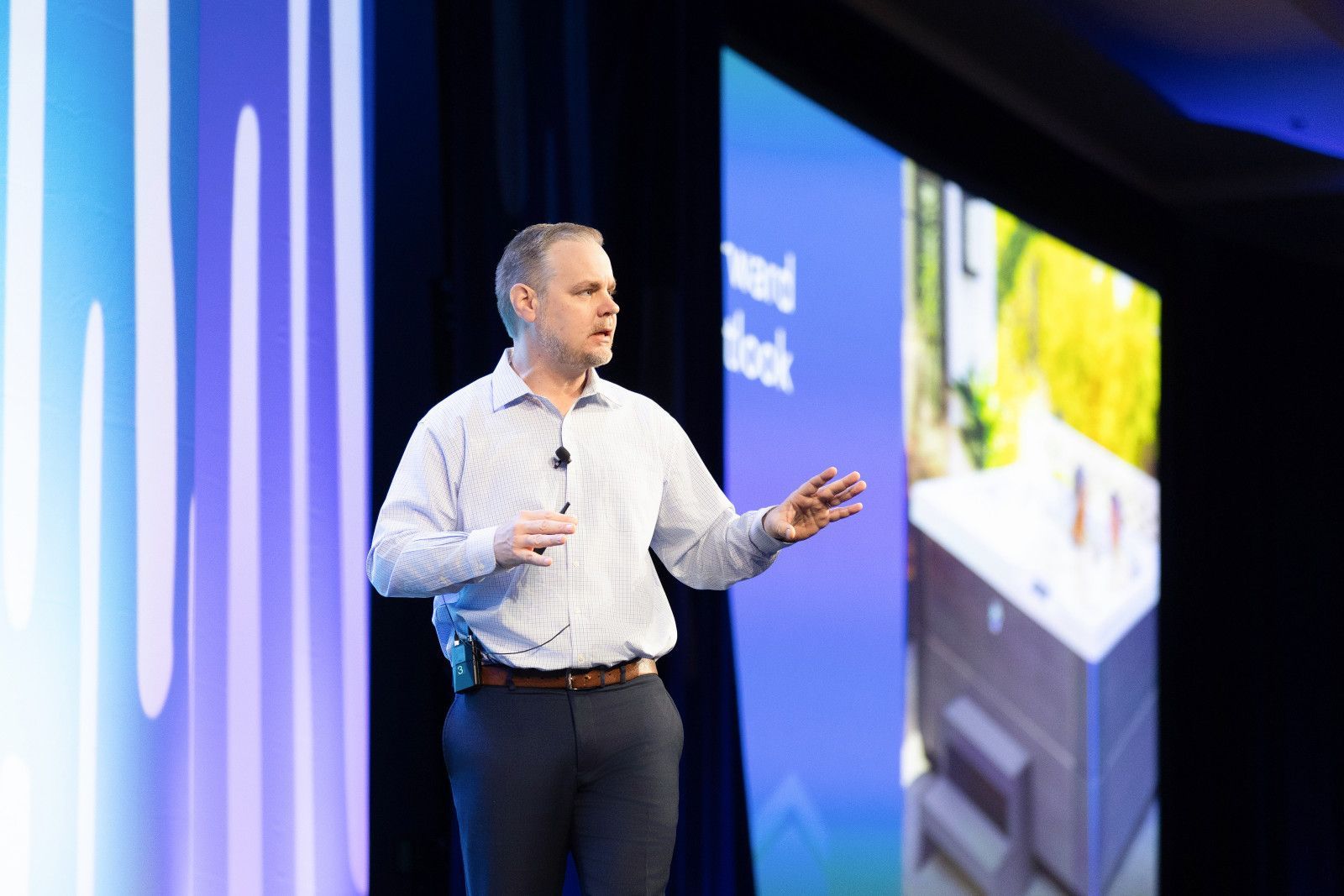
Your team deserves to work with a professional corporate event photographer who reflects the quality of your brand and message.
Inconsistent or outdated event photos are one of the most common and most overlooked gaps in corporate brand presentation. Christopher Todd Studios provides seamless corporate event photography, professionally managed for companies across Orange County, with clean, consistent imagery delivered on time and ready to use.
How Do You Plan Photography Coverage for a Multi-Day Conference?
Multi-day conference photography requires a structured coverage plan developed well in advance, not a general understanding of the schedule.
Before your photographer arrives, prepare a shot list and schedule that includes:
- Session start and end times for every photographed segment
- Priority speakers or panels that require front-of-room positioning
- Sponsor-required coverage: booths, signage, branded activations with specific deliverables
- Attendee networking windows where candid coverage is appropriate
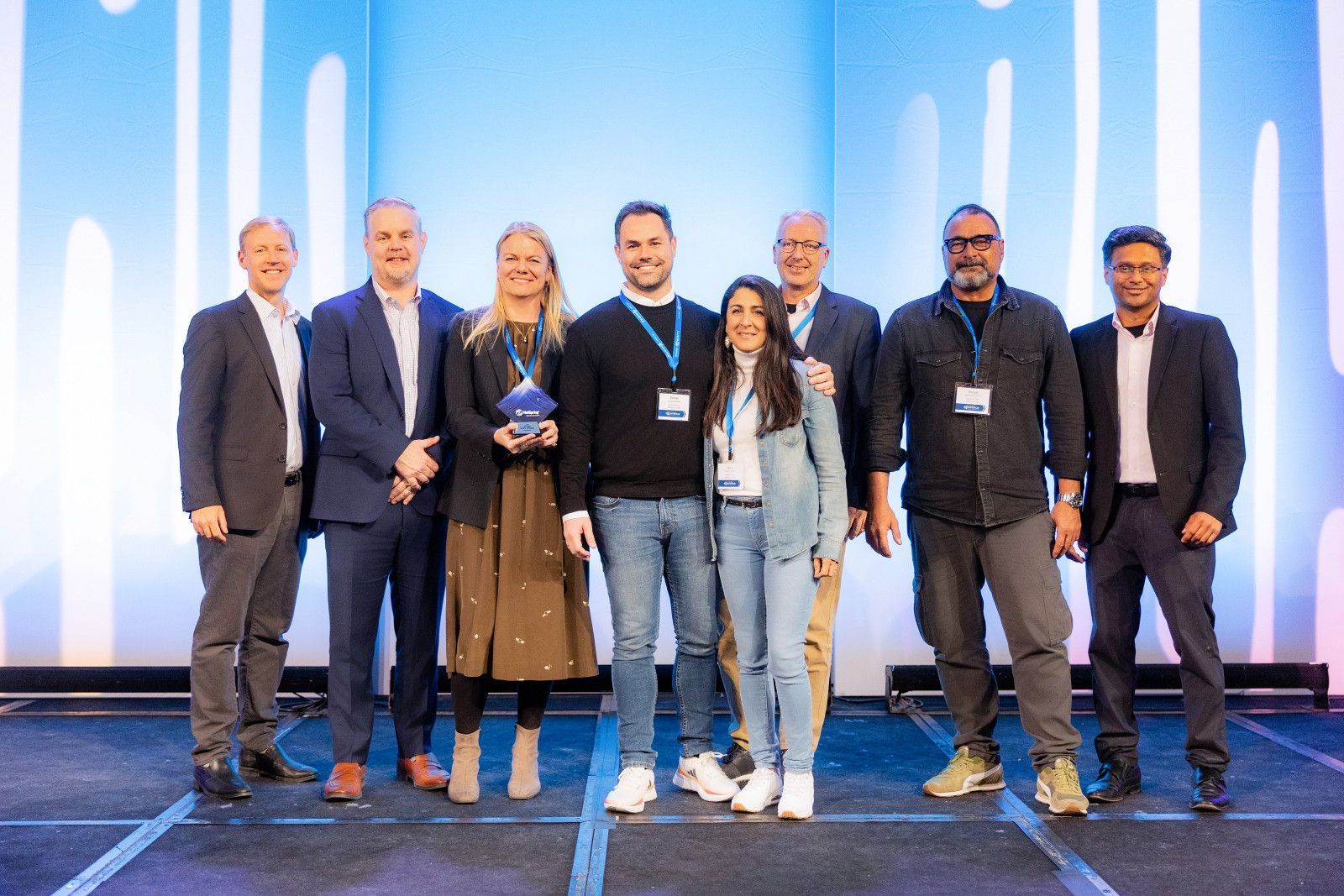
- Award presentations or group photos with specific timing requirements
- Restricted areas or sessions where photography is not permitted
For events spanning two or more days, confirm whether continuous coverage is required or whether certain sessions can be excluded. This prevents gaps in your final delivery and ensures the photographer allocates time correctly.
Build in a 15-minute briefing at the start of each day. Even a prepared photographer benefits from knowing what changed overnight: schedule adjustments, room reconfigurations, or newly prioritized sessions.
Proper advance planning is what separates events that yield
400 usable images from events that yield 40.

Christopher Todd's Pro Tip:
If your conference spans two or more days, build a written shot list per day, not per event. Priorities shift overnight, and your photographer needs an updated roadmap each morning.
What Is the Difference Between a Conference Photographer and a General Event Photographer?
This distinction matters when evaluating vendors. Not every event photographer has the experience or equipment to function effectively at conference scale.
A general event photographer is typically well-suited for company parties, smaller galas, and team gatherings where the event unfolds in a single room over a few hours.
A conference photographer operates in a fundamentally different environment:
- Variable and mixed lighting across ballrooms, breakout rooms, and trade show floors
- Long focal distances for keynote and stage coverage in large halls
- Rapid transitions between spaces across a large venue footprint
- Simultaneous sessions requiring priority decisions or additional coverage personnel
- Extended shooting days that demand consistent quality across 6–10+ hours
If your event is at the Anaheim Convention Center, the Long Beach Convention Center, or a large hotel conference facility, your photographer needs familiarity with the specific venue, including lighting conditions, access protocols, and physical layout.
What Christopher Todd Studios does
We photograph events at these venues multiple times each year. That venue-specific experience means
less setup time, fewer coverage gaps, and reliable results from the first session of the day to the last.
Why Does Venue Experience Matter for Convention Photography in Orange County?
The Anaheim Convention Center is the largest convention facility on the West Coast. The Long Beach Convention Center is one of Southern California's most active conference venues. Both handle hundreds of major events annually, and both present specific challenges that affect photography outcomes.
Lighting varies significantly between arena spaces, meeting rooms, hall sections, and outdoor areas. A photographer unfamiliar with the venue may spend the first hour adjusting to conditions that an experienced photographer accounts for before arrival.
Access logistics matter. At large conventions, credentialing, load-in windows, and room access protocols are enforced by venue staff. A photographer who has worked the venue understands how to navigate these systems without creating delays.
Room configurations change. The same ballroom can be set theater-style one day and rounds the next. Knowing the typical configurations and their implications for camera positioning is knowledge that only comes from repeated experience at the venue.
As a
partner and preferred vendor with Visit Anaheim, Christopher Todd Studios maintains an active working relationship with the Anaheim hospitality and events community. We also photograph regularly at hotel conference venues throughout Orange County, including the
Anaheim Marriott, Irvine Marriott, Hilton Anaheim, Hyatt Regency, and Sheraton properties, giving us practical, current knowledge of each venue's operational requirements.

How Do You Brief a Conference Photographer Before Your Event?
A thorough pre-event briefing is the single most effective way to ensure your photographer delivers what you need. Plan for this conversation or written brief at least one week before the event.
Logistics:
- Full venue address and parking or load-in instructions
- On-site point of contact (name and cell number)
- Photographer's access level and any credentialing requirements
Schedule:
- Complete event timeline with photography priority marked for each session
- Meal and break windows where setup or transition can occur
Brand and output standards:
- Any imagery that should not be captured (confidential sessions, restricted areas)
- File format and resolution requirements
- Background preferences for any staged photography
Deliverables:
- Approximate number of final edited images expected
- Whether color correction or background uniformity standards apply
- Delivery method (download link, shared drive, etc.)
- Turnaround timeline

Christopher Todd's Pro Tip:
A photographer who
asks these questions proactively, without needing to be prompted, is demonstrating the operational experience your event requires.
What Deliverables Should You Expect From Conference Photography?
Deliverables should be documented in your agreement before the event. Clarity here prevents post-event disputes and ensures the files you receive are immediately usable.
Edited image files: color-corrected, cropped, and delivered in full resolution. For a full-day event, a professionally executed session typically yields 400–800 final images, depending on session variety and coverage scope.
File formats: high-resolution JPEGs (minimum 300 DPI for print) and web-optimized versions (72 DPI). Confirm whether you need both depending on your intended use.
Turnaround time: 5–10 business days is standard for full editing. If you have a hard deadline (a press release, a sponsor recap, a board presentation), communicate that date explicitly and confirm it in writing. For the day of delivery, ask your photographer if this can be an option.
Delivery method: a secure, organized download link or shared drive folder, or a private online gallery. Not email attachments. Confirm folder organization expectations, particularly if images from multiple sessions need to be separated by topic, speaker, or day.
Usage rights: all images should be licensed for full commercial and organizational use, including social media, website publication, print materials, and internal communications.
Christopher Todd Studios provides
corporate event photography in Orange County for all types of industries, from school teacher organizations to international finance conventions.
How Far in Advance Should You Book a Conference Photographer in Orange County?
For events at major Orange County and Long Beach convention venues, 6–12 weeks in advance is standard practice. For large-scale multi-day conferences or events during peak periods (Q1 and Q4), earlier is better.
Booking early gives your photographer time to review the event schedule, coordinate logistics, and flag coverage questions before the week of the event.
Qualified corporate conference photographers in Orange County are typically booked 8–12 weeks out for major events.
If your timeline is compressed, discuss scope and logistics as early as possible. A shorter booking window requires a more efficient briefing process and places more responsibility on the event coordinator to provide complete information upfront.
For organizations coordinating both conference photography and team headshots (a common combination at annual conferences where distributed teams gather in one location), discussing both needs at initial booking allows for efficient day-of scheduling.
What Questions Should You Ask Before Hiring a Conference Photographer?
Use this as a working checklist during vendor evaluation:
Experience:
- Have you photographed events at this specific venue before?
- What is the largest event you have covered in terms of attendees and session count?
- Do you work alone on multi-day conferences, or bring additional coverage personnel?
Process:
- What does your pre-event briefing process look like?
- How do you handle schedule changes or last-minute additions on event day?
- What is your equipment backup protocol if something fails during the event?
Deliverables:
- What is your standard turnaround time for a full conference delivery?
- In what formats will images be delivered, and how are they organized?
Logistics:
- What do you need from us before event day?
- Are there venue access requirements we should accommodate?
- Who is our point of contact during the event?
A photographer who answers these clearly and specifically,
without deflection, has done this before and understands what is at stake for your organization.
How Does Conference Photography Support Your Organization After the Event?
Professional conference photography produces visual assets your team will use for 12–24 months after the event.
Immediate: Sponsor and partner recaps, social media coverage summaries, press releases, internal announcements.
Mid-term: Website updates, case studies, award submissions, membership, and trade association materials.
Long-term: Annual reports, sales decks, proposal materials for future events, and recurring sponsorship pitches.
Organizations that invest in professional documentation consistently find that conference imagery becomes one of their most-used visual assets, appearing in channels and contexts far beyond what was originally planned.
Conference photography is not a line-item expense. It is a
documentation investment that pays forward into every communications channel your organization manages.
Ready to Plan Your Corporate Event Photographer?
Christopher Todd Studios provides corporate event photography Orange County for conferences, conventions, expos, trade shows, and professional gatherings at venues throughout Orange County and Long Beach. For professional videography for conventions, visit our video portfolio page.
As a partner and preferred vendor with Visit Anaheim, we bring venue-specific experience at the Anaheim Convention Center, Long Beach Convention Center, and hotel conference facilities throughout the region, including the Anaheim Marriott, Irvine Marriott, Hilton, Hyatt, and Sheraton properties.
To discuss coverage scope, logistics, and scheduling for your upcoming conference or convention, contact Christopher Todd Studios at
949-755-8444 or visit
christophertoddstudios.com/corporate-events.


















Frequently Asked Questions: Convention Photography in Orange County
How many final images should I expect from a conference?
For a full-day conference, a professionally executed session typically yields 400 to 800 final edited images, depending on session variety and coverage scope. For multi-day events, multiply accordingly. Your photographer should provide an estimate based on your event schedule and coverage priorities before the event. Don't expect an exact amount a range is standard.
What is the standard turnaround time for conference photography?
5 to 10 business days is standard for full editing and delivery. If you have a hard deadline for a sponsor recap, a press release, or a board presentation, communicate that date at the time of booking and confirm it in writing. Some photographers offer a priority batch of 10 to 20 key images within 24 to 48 hours for immediate social media or press needs.
Can the same photographer cover both the conference and team headshots?
Yes. Annual conferences where distributed teams gather in one location are an ideal window to update team headshots. Coordinating both at the time of booking allows for efficient scheduling without disrupting the conference programming. Discuss this during your initial consultation so the photographer can plan time blocks for both. The other option is to hire multiple photographers from the same team to cover different apects of the conference. This is standard practice.
What happens if sessions run simultaneously in different rooms?
Discuss priority coverage with your photographer in advance. If two critical sessions overlap, you have two options: designate one session as primary coverage and accept limited documentation of the other, or bring a second photographer to cover both simultaneously. This is a planning conversation, not a day-of decision.
How do I handle last-minute schedule changes on event day?
Build a 15-minute briefing into the start of each day specifically for this purpose. Schedule adjustments, room reconfigurations, and newly prioritized sessions are normal at conferences. A photographer with conference experience expects these changes and adapts without disrupting their coverage.
What file formats should conference photos be delivered in?
High-resolution JPEGs (minimum 300 DPI) for print, proposal, and press use, plus web-optimized versions (72 DPI) for social media and website galleries. Confirm both formats and the folder organization structure in your agreement before the event.

Meet Christopher Todd: Your Orange County Photographer
Hi, I’m Christopher Todd! I launched
Christopher Todd Studios back in 2000, but my love for photography started long before that.
Born and raised in Orange County, I’ve spent my life exploring this beautiful area. From surfing in Huntington Beach to discovering the best photo spots across the OC. Over the past
25 years as a professional photographer, I’ve continued to learn, grow, and refine my craft.