
How to Bring a Corporate Photographer On-Site Without Disrupting Your Team

How to Bring a Corporate Photographer On-Site Without Disrupting Your Team
The most common concern HR and Operations managers raise before a corporate headshot day is not about the photography. It is about the disruption.
Pulling employees out of their work for a photo session. Finding a space in the office that will work. Keeping a schedule on track across departments with different meeting loads. Managing the variables that come up on the day itself.
These are legitimate operational concerns, and they are all solvable with the right preparation. A well-run on-site headshot day should not feel like an event the office had to work around. It should feel like a vendor came in, did their job efficiently, and left.
This guide covers how HR and Operations leaders at Orange County companies plan and run on-site corporate headshot days, from space selection through file delivery, with specific attention to the logistics that determine whether the day runs smoothly.
What this guide covers:
- When on-site is the right format
- What an on-site setup actually requires
- How to choose the right space in your office
- How to build a schedule that respects your team's time
- What to send employees before the day
- How to handle common day-of variables
- What happens after the session
- Why operational experience matters when choosing a photographer
- FAQ
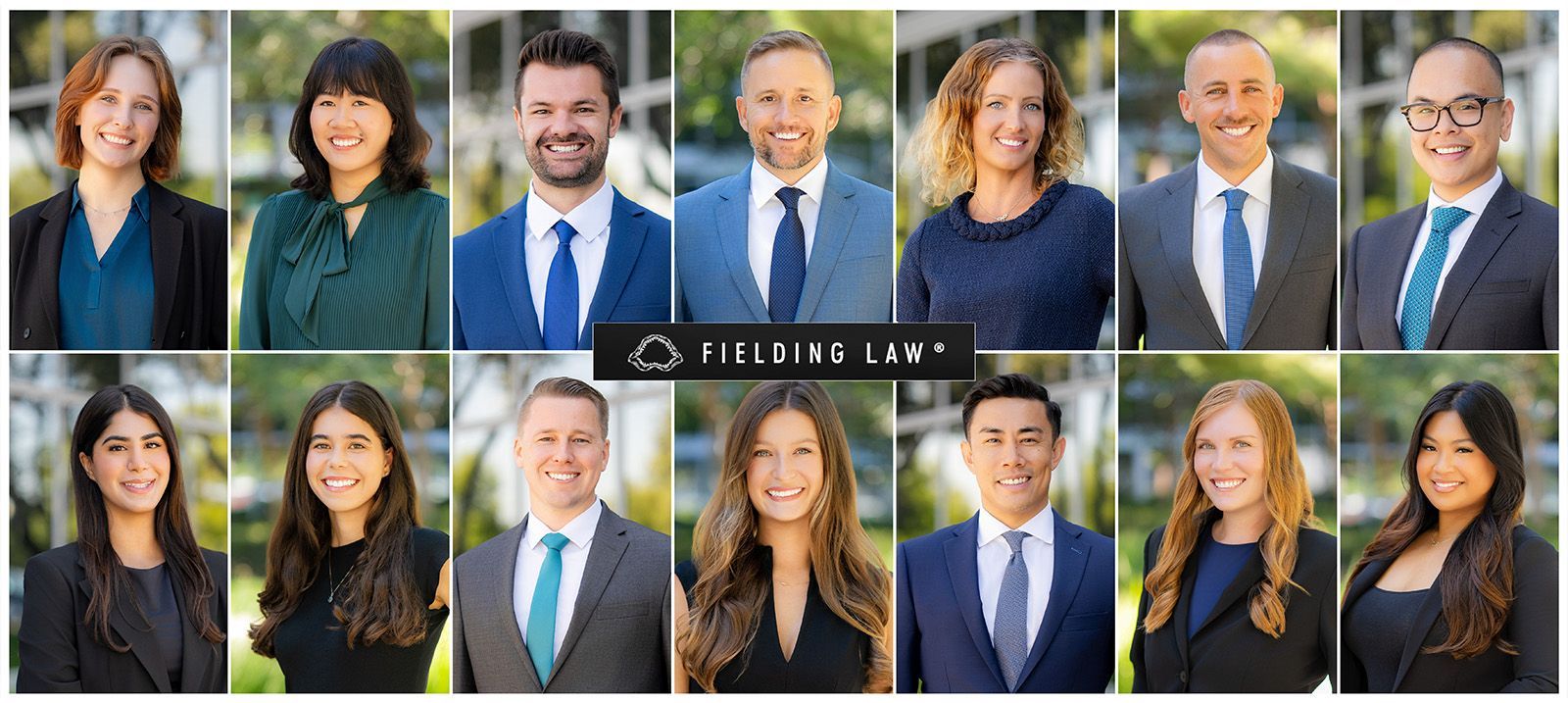
When Is On-Site the Right Format for a Corporate Headshot Day?
On-site and studio headshots are not interchangeable options. They solve different logistical problems, and choosing the wrong format creates friction that the right format would have avoided entirely.
On-site is the right choice when one or more of these conditions apply:
Your team is larger than 5 people
At 5 or fewer employees, coordinating travel to a studio is manageable. Above that threshold, the productivity cost of pulling employees off-site compounds quickly. Each person who leaves the building, finds parking, waits for their slot, and returns spends 60 to 90 minutes away from their work. For a team of 50, that is the equivalent of three to four full workdays of lost time across the group.
On-site eliminates that entirely. The photographer comes to you. Employees step away from their desks for 10 to 15 minutes and return. The work day continues around the session rather than stopping for it.
Your team operates on a hybrid or flex schedule
Coordinating a group studio visit when 30 percent of your team is hybrid on any given day requires scheduling precision that compounds the planning burden. On-site sessions adapt more easily to hybrid schedules because you can block specific days when the highest percentage of the team is in the office, and build a catch-all window for hybrid employees who come in specifically for the session.
Your office cannot support a studio visit
For companies in Irvine campus offices, Newport Beach high-rises, or multi-floor commercial spaces, on-site is often the only practical option. The logistics of coordinating 60 employees to a studio location off-site create more disruption than a well-planned on-site session ever would.
Studio is the better choice when the team is small, when the office genuinely does not have a usable space, or when maximum image consistency is the priority and logistical convenience is secondary. A controlled studio environment gives the photographer more flexibility over every variable, which produces the most technically consistent results per individual image.
For a full comparison of when each format makes sense, the
corporate team headshot planning guide covers the decision framework in detail.
Christopher Todd's Pro Tip:
Christopher Todd Studios includes a pre-session preparation guide with every booking. Share it directly with your team as part of your internal communication. This helps to eliminate most day-of questions before they come up.

Your Team Deserves Professional Corporate Headshots That Reflect the Quality of Your Work.
Inconsistent or outdated team photography is one of the most common and most overlooked gaps in corporate brand presentation. Christopher Todd Studios provides structured, professionally managed headshot sessions for companies across Orange County, with clean, consistent imagery delivered on time and ready to use.

What Does an On-Site Corporate Headshot Setup Actually Require?
One of the most common sources of day-of friction is a coordinator who did not know what the setup required until the photographer arrived and started moving furniture. Understanding the physical requirements in advance eliminates that problem entirely.
Space
A functional on-site shooting environment requires a room of approximately 10 by 12 feet or larger. This accommodates the backdrop, lighting equipment, the photographer's working distance from the subject, and a small staging area for the next employee.
The room does not need to be large or purpose-built for photography. A standard conference room works in most cases. What it needs to be is quiet, private, and bookable for the full duration of the session.
Lighting and power
Professional on-site setups use studio strobes or continuous LED lighting, not natural window light, which shifts in color temperature and exposure throughout the day. For a session running eight hours, window light will produce visibly inconsistent results between the morning and afternoon groups.
The setup requires two to three standard electrical outlets within reach of the shooting area. Extension cords and surge-protected power strips are standard equipment that an experienced photographer brings.
Backdrop
Backdrops for on-site sessions are freestanding and self-contained. They require a flat wall area of approximately eight feet wide. No mounting hardware, no wall anchors. Setup and teardown take under 15 minutes and leave no mark on the space.
Equipment footprint
A complete on-site headshot setup includes backdrop stand, lighting, camera equipment, and a staging area. It fits in most standard conference rooms without reconfiguring the table and chairs.
Christopher Todd's Pro Tip:
Discuss the proposed setup space with your photographer before the session day, not on the day itself. A five-minute walkthrough call or a few photos sent in advance gives the photographer what they need to confirm the space works or flag a problem early enough to find an alternative.

How Do You Choose the Right Space for an On-Site Headshot Session?
Not every room in the office is equally suited for photography. The right space makes the session run cleanly. The wrong one creates problems that compound throughout the day.
What makes a space work
Natural light control. A room with windows is not disqualifying, but windows that cannot be covered or that face direct sunlight create exposure inconsistency. Rooms with indirect or diffused light, or where blinds fully block the windows, are preferable.
Noise level. Photography sessions require the photographer to direct each employee verbally to communicate: expression, positioning, and adjustment cues. A room next to a busy kitchen, a main corridor, or an open sales floor makes that direction harder to deliver and creates a distraction for the subject.
Access and flow. The room should be accessible from the main work areas without employees having to travel through a busy section of the office. The easier it is for each person to find the room and return to their desk, the tighter the schedule runs.
Privacy. Employees are more relaxed when they are not being watched by colleagues during their session. A room with a door that closes and no glass wall facing a high-traffic area produces better results than an open space.
What to avoid
- Glass-walled conference rooms facing active work areas
- Rooms with floor-to-ceiling windows on a south or west exposure
- Spaces that require other departments to route around them for the full day
- Rooms that are booked for other meetings during the session window
What Christopher Todd Studios does
For
on-site corporate headshots in Orange County sessions, Christopher Todd Studios assesses the space before the session day and will flag any issues that could affect consistency or flow. If the first choice does not work, we identify an alternative before the day arrives, not on it.

How Do You Build a Headshot Day Schedule That Respects Your Team's Time?
The schedule is where most on-site headshot days succeed or fail. A schedule that is built on accurate time estimates, structured by department, and communicated clearly produces a day that runs without friction. A schedule built on optimistic math produces a day that falls behind before noon.
Time estimates
Plan for 15 to 20 minutes per person. This includes the session itself (typically 7 to 10 minutes), transition time between employees, and a minor buffer for late arrivals.
Individual photography may take less time for some employees and more for others. The 15 to 20 minute block ensures the schedule absorbs that variation without falling behind.
Structure the day in department blocks
Schedule by department rather than alphabetically or by individual availability. When an entire department is blocked together, the internal coordinator for that department can manage their group's flow without the HR or Operations lead having to track every individual employee.
Department blocks also reduce the number of employees who are away from their desks simultaneously, which minimizes the operational disruption to any single team.
Executive block
Schedule executives in a separate block at the beginning of the day, before the general session starts. Executives typically have less schedule flexibility than other employees, and their sessions often run slightly longer. A dedicated executive block ensures they receive appropriate time and attention without affecting the general schedule.
Buffer and catch-all
Build 10 to 15 minutes of buffer into every two hours of the schedule. At the end of the day, add a 30 to 45-minute catch-all block for no-shows, late arrivals, and any additions that come up during the day.
A well-structured schedule for a team of 60 looks like this:
- Set up: 30 minutes before the first employee
- Executive block: 7:30 to 9:00 AM
- Department A: 9:00 to 10:30 AM (8 employees, 15 minutes each)
- Buffer: 10:30 to 11:00 AM
- Department B: 11:00 AM to 1:15 PM (8 employees, 15 minutes each)
- Buffer: 1:15 to 1:30 PM
- Department C and D: 1:45 to 3:15 PM (remaining employees, 15 minutes each)
- Catch-all: 3:15 to 4:00 PM

What Should You Send Employees Before an On-Site Headshot Day?
Pre-session communication is the single highest-leverage action an HR or Operations coordinator can take before a headshot day. Employees who arrive prepared move through their session faster, produce better results, and require less direction from the photographer.
Send the communication five to seven business days before the session. Earlier is ignored. Later does not give enough time to act on the guidance.
What to include
Logistics. Date, time slot, location within the office (room number or building section), and who to contact with questions. Do not assume employees will find the room on their own, especially in large offices or multi-floor buildings.
Wardrobe guidance. Solid colors only. No bold patterns, no shiny fabrics, no bright primary colors. Two outfit options are better than one. What looks right at a desk does not always look right under professional lighting.
Grooming guidance. Haircut scheduled five to seven days before the session, not the day of or the day before. Facial hair is groomed the morning of the session. These details matter more than most employees expect.
What to expect.
Each session runs 10 to 20 minutes. It is fully directed, so employees do not need to know how to pose. Images are reviewed during the session so any concerns can be addressed before they leave.
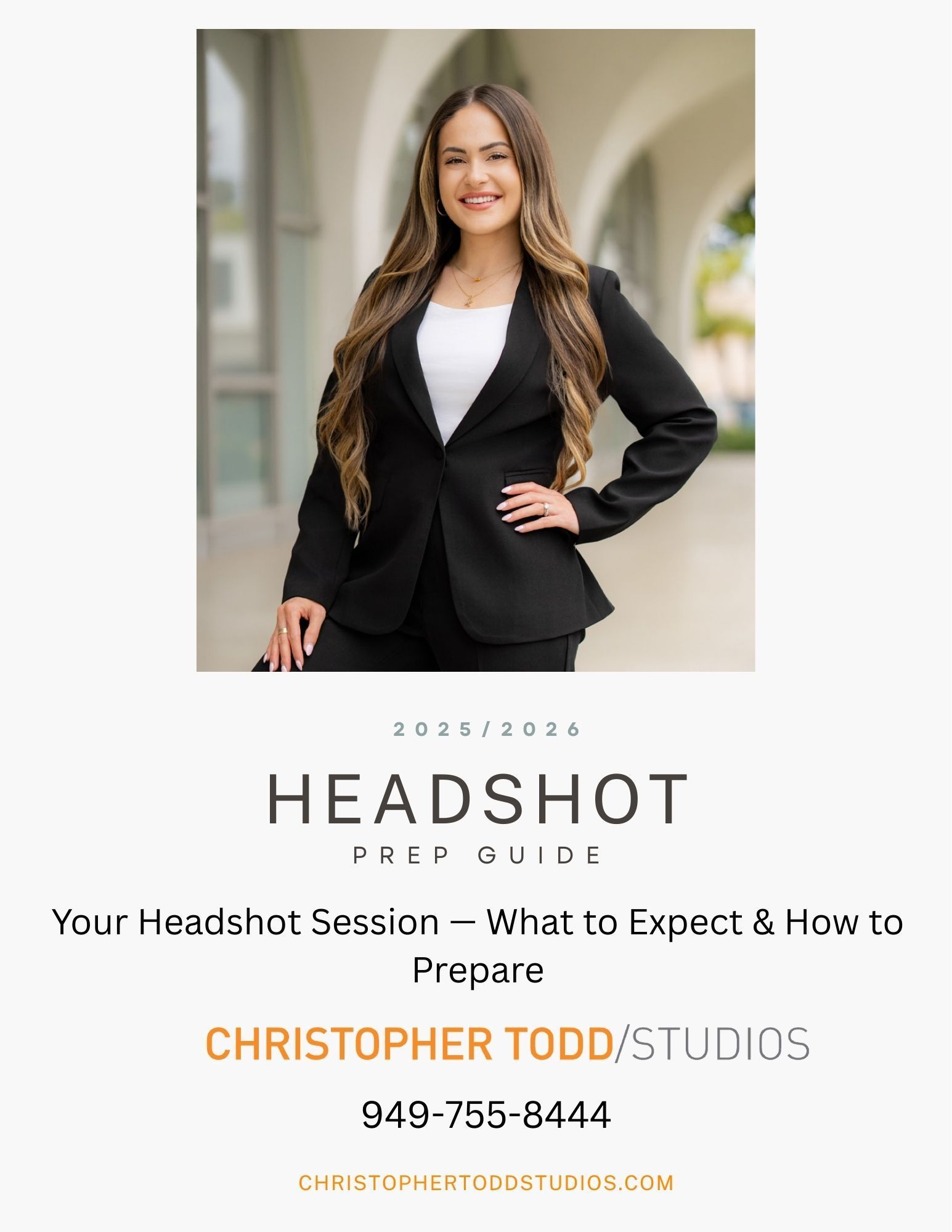
Christopher Todd's Pro Tip:
Christopher Todd Studios provides a branded employee preparation guide with every on-site booking. Share it as the core of your internal communication rather than writing your own from scratch. It covers everything above and eliminates most day-of questions before they come up.
How Do You Handle Common Day-Of Variables in an On-Site Headshot Session?
Even a well-planned session encounters variables on the day. The difference between a session that absorbs them cleanly and one that derails over them is usually a single factor: whether someone in the building is designated to handle them.
Late arrivals
Build transition time and buffer into the schedule so that a 10-minute late arrival does not push the next three employees. If someone misses their slot entirely, route them to the catch-all block at the end of the day rather than inserting them mid-session and breaking department flow.
Last-minute cancellations
Fill the slot from the catch-all list or use the time as a buffer. Do not attempt to re-sequence the remaining schedule on the fly. This just creates confusion and rarely recovers the time.
Remote employees
For remote employees who are making a specific trip in for the session, schedule them in the first block of the morning before the general session begins. They have made an intentional trip and should not wait until the afternoon to find out the schedule is running behind.
Executives with tight windows
Confirm executive slots 48 hours in advance and again the morning of. If an executive's window narrows on the day, the photographer can adjust their session to 20 to 25 minutes without affecting quality. What they cannot do is extend the session significantly into a time block that belongs to the general employee flow.
Employees who are uncomfortable
Fully direct the session from the first moment, including positioning, expression, and pacing. Most employees who describe themselves as camera-shy become significantly more comfortable within the first two to three minutes of a directed session. The key is not leaving them to figure out what to do independently.
Christopher Todd Studios provides
executive headshots in Orange County for senior professionals throughout Newport Beach and the surrounding area. Studio and on-site sessions available. Sessions are structured, efficient, and delivered with a confirmed turnaround.
What Happens After the On-Site Session: Delivery and File Management?
The session ends when the last employee leaves the room. The project does not end until the files are in the right hands in the right format, which is a step that benefits from planning before the session, not after.
Turnaround
Confirm the delivery date in writing before the session is locked. Standard turnaround for a corporate headshot session is two to three business days. Rush delivery is available for website launches or time-sensitive projects, but should be requested and confirmed in advance.
File format and specifications
The default delivery for on-site corporate photography services at Christopher Todd Studios includes:
- High-resolution JPEG for print use (300 DPI minimum)
- Web-optimized JPEG for digital use
- Square crop option for LinkedIn profiles
If your website, CMS, or internal directory has specific size or format requirements, communicate them before the session. Requesting a reformat after delivery adds time to a project that is often tied to a launch or deadline.
Internal distribution
Assign one person to receive the delivery and handle internal distribution. For large teams, a shared folder organized by department simplifies the handoff to department heads and website managers.
File retention
Confirm how long the photographer retains files after delivery. Christopher Todd Studios retains session files for up to 12 months, which covers individual update requests and replacement copies without requiring a full reshoot.
For
corporate headshots Irvine and
executive team headshots, Christopher Todd Studios offers both full team sessions and individual update sessions on an ongoing basis.
Why Does Operational Experience Matter When Choosing an On-Site Photographer?
An on-site corporate headshot session is not a studio portrait session conducted in someone's office. It is a managed operational event that happens to involve photography. The distinction matters when evaluating who to hire.
A photographer with limited on-site corporate experience will produce technically competent images in a controlled setting. What they are not prepared for is the full range of variables that a corporate environment introduces: a conference room that does not match the advance photos, an executive who has 15 minutes instead of 30, a department that arrives 10 minutes early, a building facilities team that has questions about the equipment setup.
An experienced on-site corporate photographer has solved all of these problems before. They arrive with a setup process that does not require oversight. They direct employees efficiently without slowing the schedule. They absorb day-of variables without escalating them to the coordinator.
What to ask during the vetting process
- How many on-site corporate sessions have you run, and what is the largest team you have managed in a single day?
- What is your process for assessing and confirming a space before the session day?
- How do you handle a schedule that falls behind?
- What is your standard for employee direction, and how do you work with employees who are reluctant or uncomfortable?
- What does your standard file delivery package include, and what requires a custom request?
Specific answers indicate real experience. Vague answers indicate limited on-site corporate work, regardless of how strong the individual portfolio looks.

Running a Clean On-Site Session
The operational goal for a corporate headshot day is not to take good photographs. It is to run a session that produces consistent, professional images across the full team without pulling the office out of its normal rhythm.
That goal is achievable. It requires the right preparation, the right schedule structure, and a photographer who has managed enough on-site corporate sessions to handle the day without being managed.
When those conditions are in place, the day runs the way it should. The photographer arrives, sets up, works through the schedule, and leaves. Employees spend 15 to 25 minutes away from their desks. The images are delivered on time in a format the team can use.
That is what a well-run on-site headshot day looks like.
Ready to Plan Your Corporate Headshot Day?
Christopher Todd Studios provides
on-site corporate headshots in Orange County for HR and Operations teams across the region, including Irvine, Newport Beach, and surrounding areas. We handle setup, scheduling coordination, employee direction, and file delivery so your team stays focused on their work.
Frequently Asked Questions: On-Site Corporate Headshots in Orange County
How much space does an on-site headshot setup require?
A standard on-site setup requires a room of approximately 10 by 12 feet or larger. The total equipment footprint — backdrop, lighting, camera, and staging area for the next employee — occupies 150 to 200 square feet. Most standard conference rooms work without any reconfiguration. The photographer confirms the space is adequate before the session day, not on it.
Can an on-site headshot session be completed in a single day for a large team?
Yes. For teams of up to 150 employees, a full-day on-site session is typically sufficient when the schedule is built correctly. The schedule structure matters as much as the time available.
What happens if the office does not have a suitable room?
This comes up occasionally in open-plan offices, shared co-working spaces, or buildings where all conference rooms are heavily booked. In most cases, an alternative can be identified — a lobby area at a low-traffic time, a larger private office, or an adjacent meeting room in the same building. Christopher Todd Studios assesses the space before confirming the session, so this is identified and resolved in advance rather than on the day.
How do you keep the session from disrupting productivity for employees who are not being photographed?
The primary mechanisms are scheduling structure and communication. Department blocks keep the disruption contained to one team at a time. Pre-session communication sets accurate expectations so employees know exactly when their slot is and do not spend time waiting. A designated day-of contact manages flow and handles questions without pulling the HR or Operations lead out of their day.
What is the difference between how CTS handles an on-site session versus a less experienced photographer?
The difference shows up most clearly in three areas: pre-session preparation, day-of pacing, and delivery. Christopher Todd Studios conducts a space assessment before the session day, sends employee preparation materials as part of every booking, and delivers files named by employee with format options for web, print, and LinkedIn — all as part of the standard process. These steps are not add-ons. They are built into how every on-site session is managed.
What is the typical turnaround for corporate headshots?
Standard delivery for a corporate team session is typically two-three business days. Same-day or next-day options may be available for smaller sessions or urgent timelines — confirm this before you book.

Meet Christopher Todd: Your Orange County Photographer
Hi, I’m Christopher Todd! I launched
Christopher Todd Studios back in 2000, but my love for photography started long before that.
Born and raised in Orange County, I’ve spent my life exploring this beautiful area. From surfing in Huntington Beach to discovering the best photo spots across the OC. Over the past
25 years as a professional photographer, I’ve continued to learn, grow, and refine my craft.