
How to Plan a Law Firm Headshot Day | A Practical Guide 2026

How to Plan a Law Firm Headshot Day Without Disrupting the Office
Someone at your firm has decided it is time to update the headshots. Now it is your job to make it happen. If you are the office manager, firm administrator, or marketing coordinator who has been handed this project, this guide is written for you.
Planning a headshot day for a law firm is different from coordinating headshots for a general corporate team. Attorneys have billable hours to protect. Partners have court dates and client meetings that cannot be rescheduled. Associates are pulled in multiple directions. The window for photographing each person is narrow, and the tolerance for a disorganized process is low.
The good news is that a well-planned law firm headshot day can be completed without meaningfully disrupting anyone's schedule. The key is handling the logistics correctly before the photographer arrives. This guide walks through every step, from initial scoping to final delivery.
Find out more about
attorney headshots in Orange County.
Table of Contents
- How Far in Advance Should a Law Firm Schedule a Headshot Day?
- What Does a Firm Administrator Need to Prepare Before the Photographer Arrives?
- How Long Should a Firm Allow Per Attorney for On-Site Headshots?
- What Should the Internal Communication to Attorneys Include?
- How Do You Keep Headshot Quality Consistent When Photographing 50+ Attorneys in One Day?
- What Should a Law Firm Expect for File Delivery After the Session?
- Frequently Asked Questions
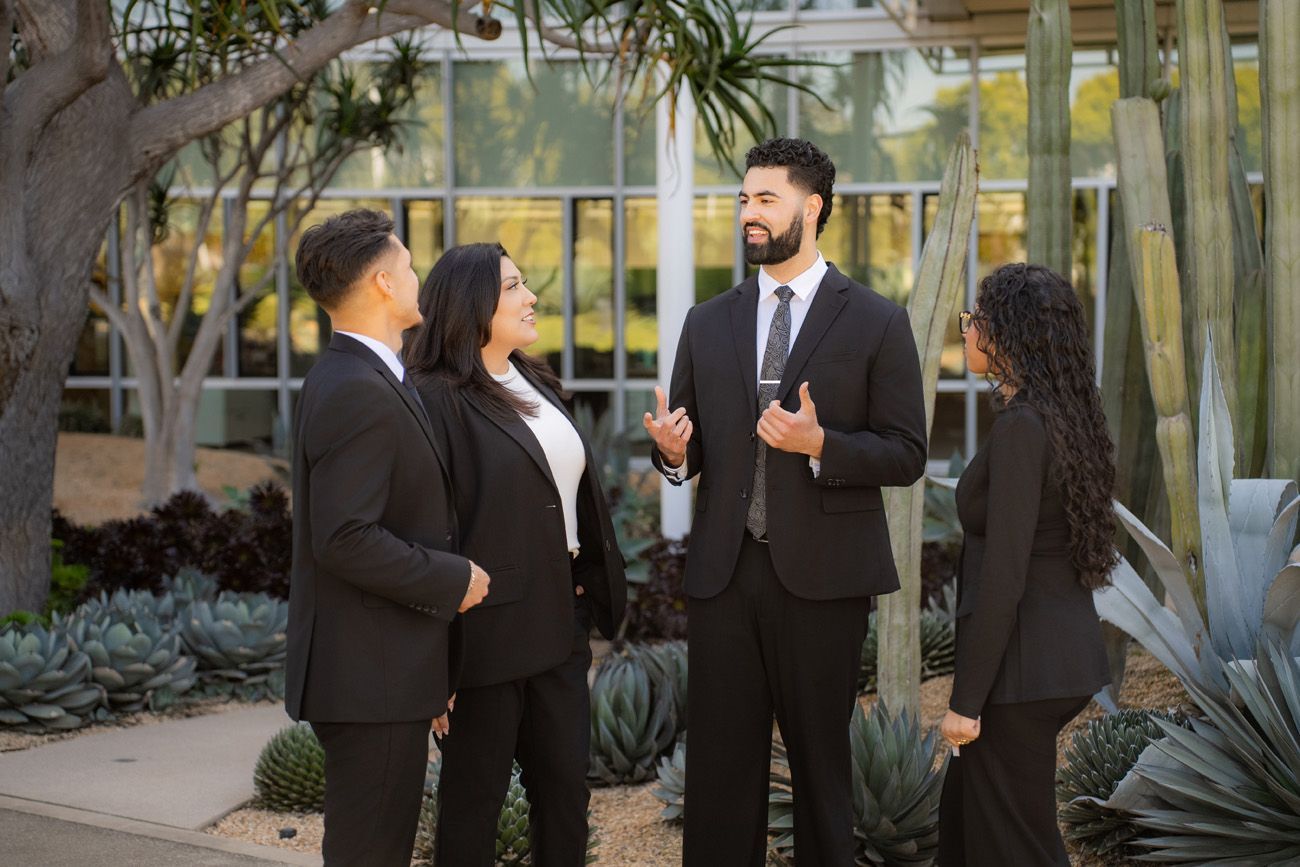
How Far in Advance Should a Law Firm Schedule a Headshot Day?
Plan for a minimum of three to four weeks of lead time between booking the photographer and the session date. This allows enough time for internal communication, scheduling, and preparation without rushing.
Here is a realistic timeline for a firm of 15 to 50 attorneys:
4 weeks out: scope and book
Confirm headcount, decide background, studio backdrop versus on-site environmental, and book the photographer. If the session is on-site, identify the room you will use and confirm availability for the full session window.
3 weeks out: communicate internally
Send the first communication to attorneys. Include the date, time window, location, what to wear, and what to expect. Keep it brief. Attorneys will not read a long email about photo day logistics.
2 weeks out: finalize the schedule
Build the time-slot schedule and distribute it. Allow each attorney a 5 to 10-minute window. Build in 15 to 20 minutes of buffer time for every two hours of shooting to account for attorneys who run late or need extra time.
1 week out: send a reminder
A short reminder covering wardrobe guidance, the schedule, and what to bring. This is also the right time to confirm any last-minute additions or cancellations.
Day of: the photographer handles it
If you have chosen the right photographer, your role on the day is minimal. The photographer manages the flow, directs each attorney, and keeps the session on schedule. You point people to the right room and handle any last-minute changes. Find out more about
professional headshots in Orange County.
Christopher Todd's Pro Tip #1:
Block the conference room on the firm calendar the moment you book the photographer. In a busy law firm, conference rooms disappear fast. Losing the room a week before the session is one of the most common coordination failures.
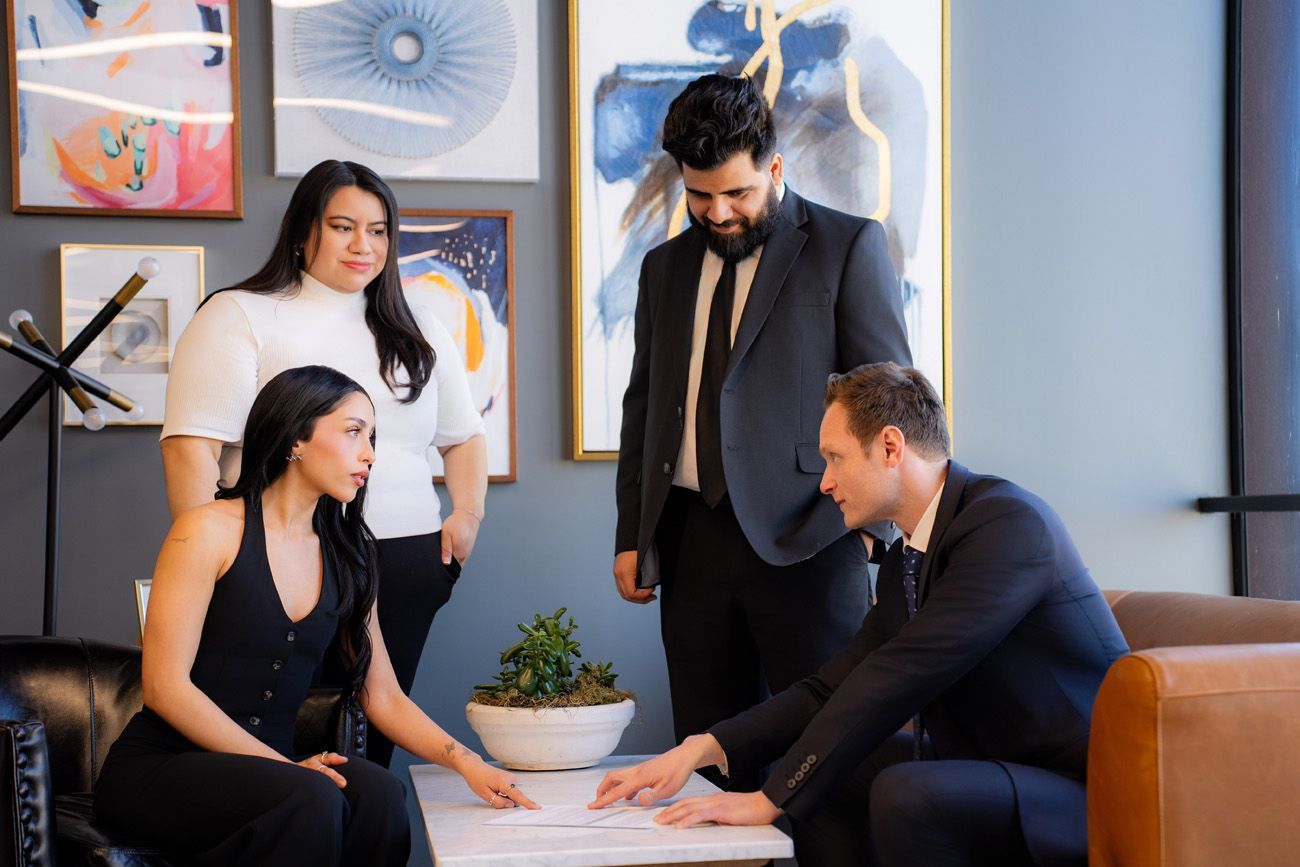
What Does a Firm Administrator Need to Prepare Before the Photographer Arrives?
Your preparation checklist is short, but each item matters.
The room
The photographer needs a clean, quiet space with enough room for lighting equipment and a backdrop. A large conference room or private office works well. Avoid rooms with floor-to-ceiling windows that cannot be covered, as uncontrolled natural light can interfere with the photographer's lighting setup. Be sure table surfaces and desk tops are tidy, clear stacks of paper, and ensure the room is available for the entire session window.
The schedule
Build a time-slot sign-up and distribute it to attorneys at least two weeks before the session. A simple shared spreadsheet or calendar invite for each time slot works. The schedule should include 5 to 10 minutes per attorney, with buffer blocks built in.
Wardrobe guidance
Attorneys need clear, concise direction on what to wear. Most law firm headshots call for solid colors and well-fitted professional attire. Avoid busy patterns, bright logos, and overly casual clothing. If your firm has a preferred background color or brand palette, share that with the photographer in advance so wardrobe recommendations can account for it.
A point of contact on the day
Designate one person who will be available on the day to answer questions, direct attorneys to the room, and handle schedule changes. This does not need to be a full-time role during the session. It just means having someone the photographer can reach if an attorney does not show up or the schedule needs to shift.
Christopher Todd's Pro Tip #2:
Send the wardrobe guidance as a standalone communication, separate from the scheduling email. When wardrobe advice is buried at the bottom of a logistics email, most attorneys never see it. A dedicated email with a clear subject line gets read.

Your OC law firm deserves to work with a professional headshot photographer who reflects the quality of your brand and message.
Inconsistent or outdated attorney headshot photos are one of the most common and most overlooked gaps in your online presentation. Christopher Todd Studios provides seamless photography, professionally managed for law firms across Orange County, with clean, consistent imagery delivered on time and ready to use.
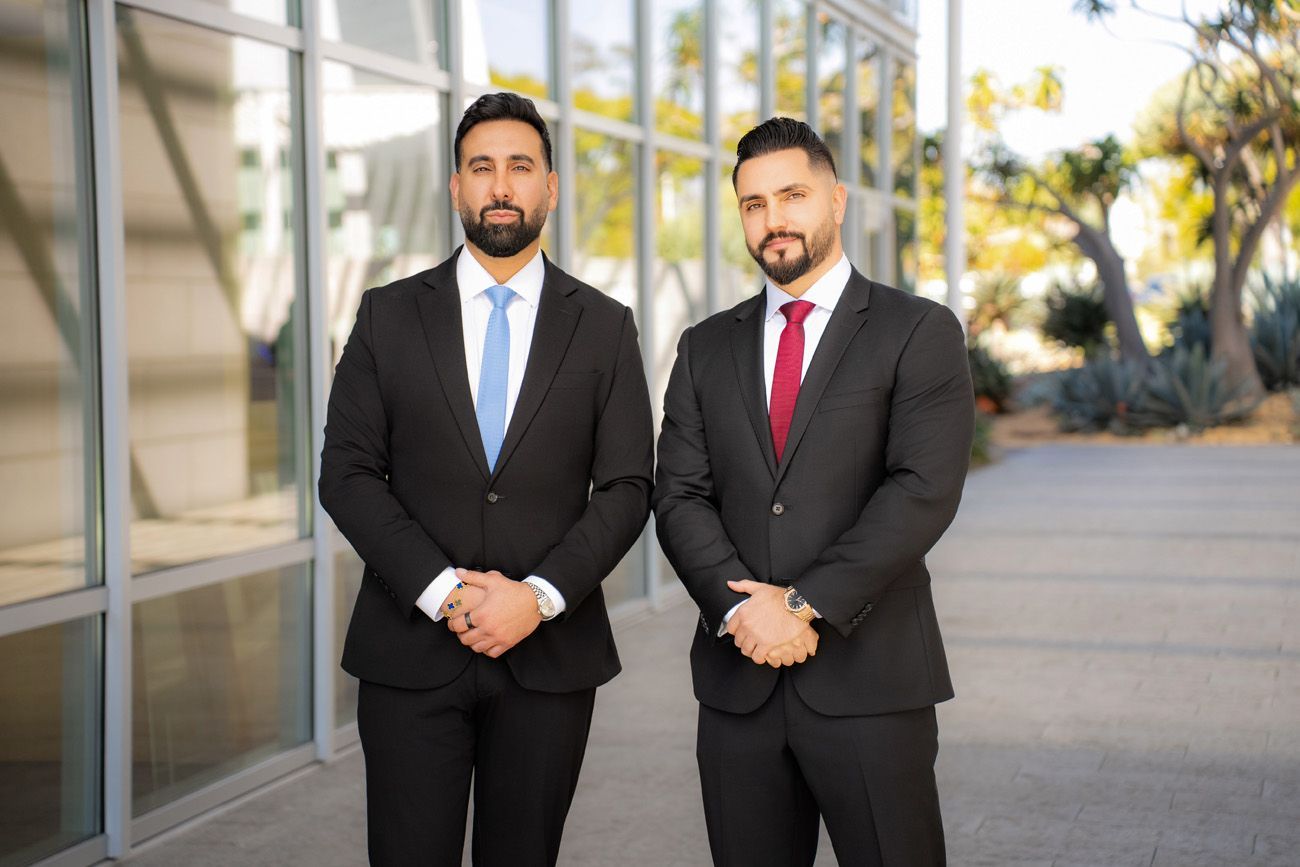
How Long Should a Firm Allow Per Attorney for On-Site Headshots?
For standard professional headshots with one to two background options, plan for 5 to 10 minutes per attorney. This includes setup, direction, posing, expression coaching, and capturing multiple looks.
That time estimate assumes the photographer is experienced with law firm sessions. An experienced photographer has a repeatable process: the lighting is already set, the background is ready, and they know how to direct attorneys through posing and expression efficiently. There is no setup time between subjects.
For a firm of 20 attorneys, a full session typically takes one to 2 hours, including buffer time. For a firm of 40 to 50, plan for a longer session between 2-3 hours. Firms larger than 50 may benefit from splitting the session across two days to avoid schedule compression.
Christopher Todd's Pro Tip # 3:
Schedule partners and senior attorneys earlier in the day. They are the most likely to have calendar conflicts that pull them out of a later time slot. Getting them photographed first eliminates the risk of having your most visible attorneys missing from the final set.

What Should the Internal Communication to Attorneys Include?
Keep it short. Attorneys are busy, and a long email about photo day will be skimmed at best and ignored at worst. You need three communications, each with a specific purpose.
Communication 1: The announcement (3-4 weeks out)
- Date and time window for the session
- Location (on-site room or studio address)
- Whether attendance is required or optional
- How to sign up for a time slot
- One sentence on why this is happening (website refresh, firm rebrand, or simply overdue)
Communication 2: Wardrobe guidance (2-3 weeks out)
- Solid colors, well-fitted professional attire
- Avoid busy patterns, logos, and overly bright colors
- Bring one or two outfit options if unsure
- Grooming: hair, nails, and skin should be session-ready
- Note on glasses: clean lenses, bring a backup pair if possible
Communication 3: The reminder (1 week out)
- Confirm date, time slot, and location
- Reiterate wardrobe guidance in one line
- Note that the session is quick (5-10 minutes) and fully guided and no make-up sessions
- Include the photographer's name and a brief note that coaching will be provided
Christopher Todd's Pro Tip # 4:
If your firm uses Slack, Teams, or an internal messaging platform, post a reminder the morning of the session with the room number and a note that the photographer is set up and ready. This catches attorneys who missed the email.
How Do You Keep Headshot Quality Consistent When Photographing 50+ Attorneys in One Day?
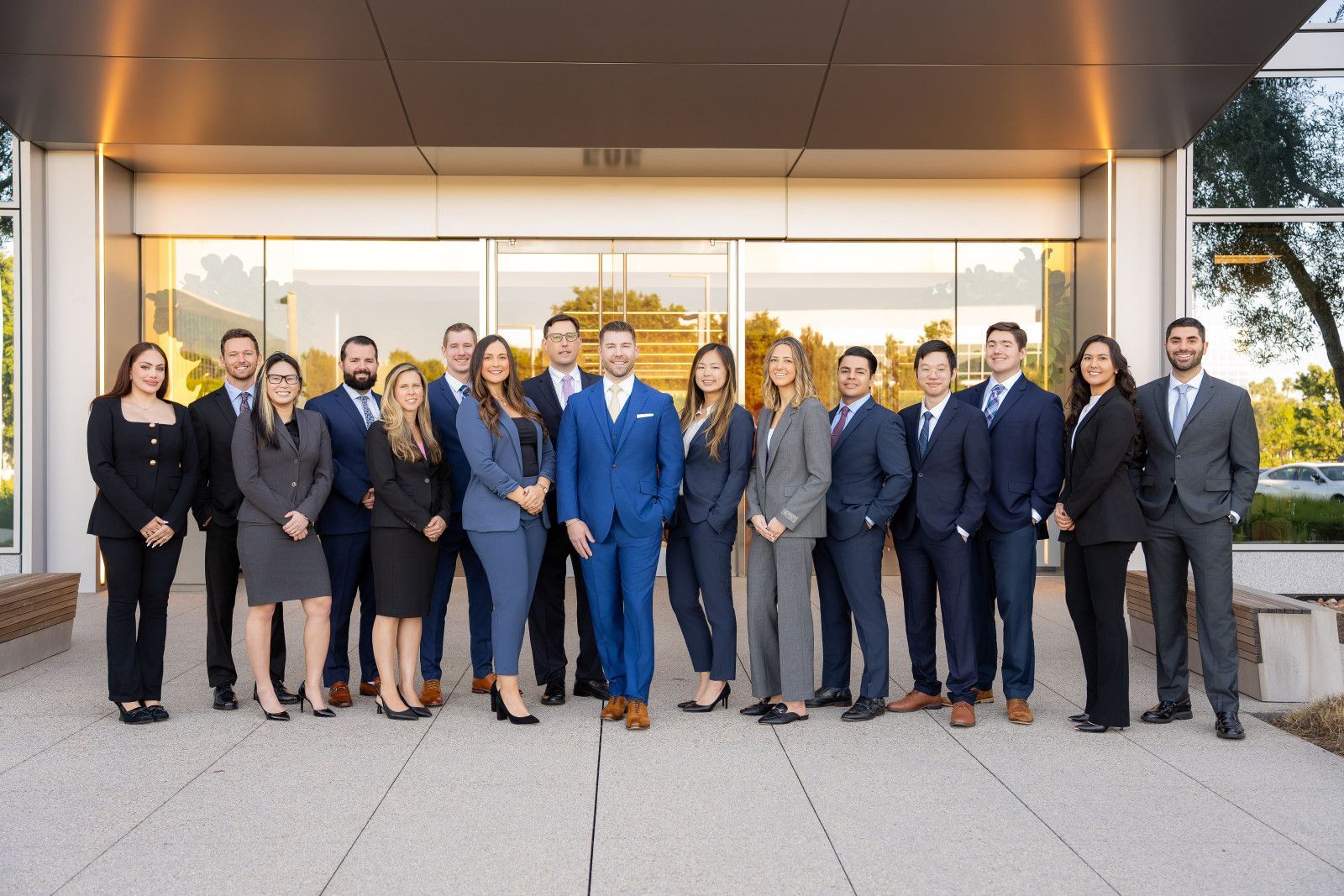
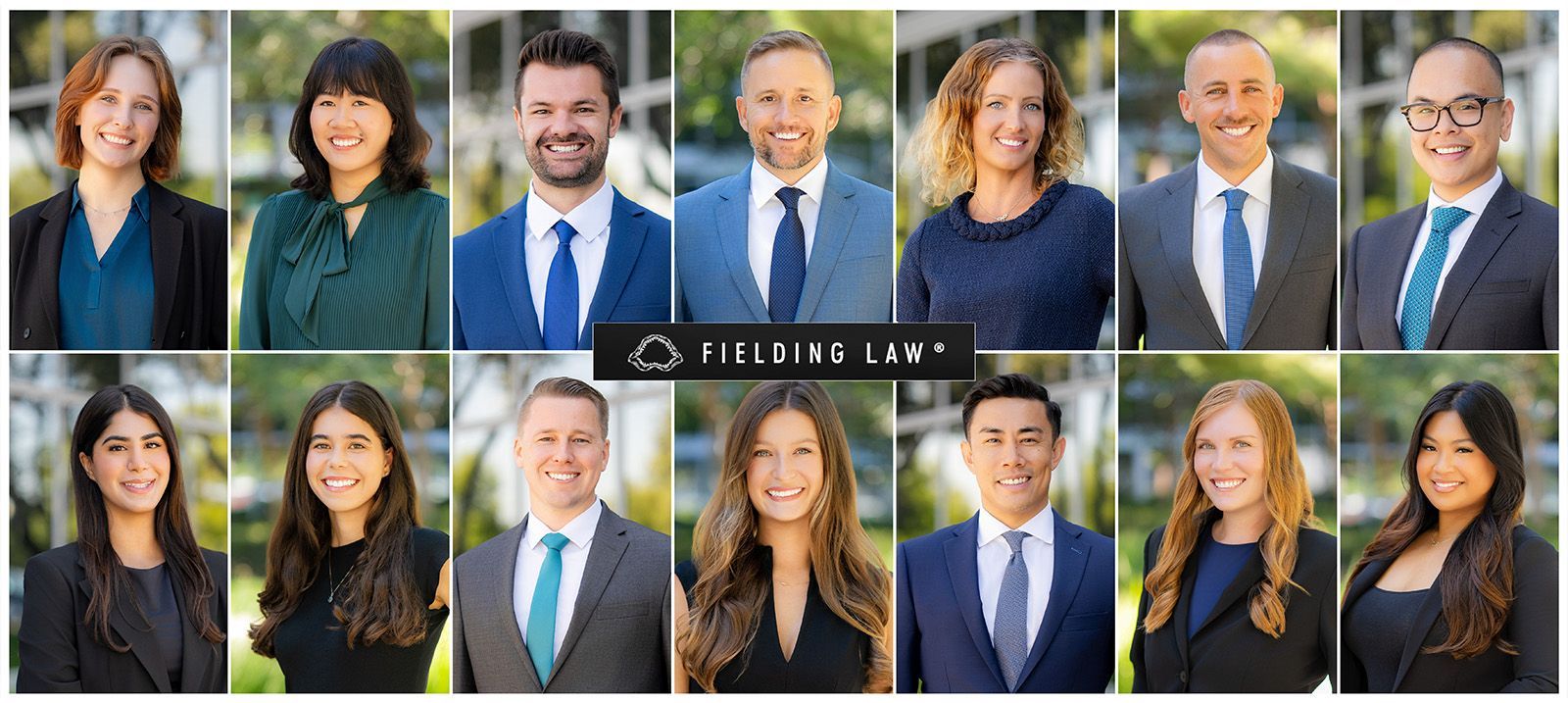
Consistency is the most important quality metric for a law firm team headshot session. Individual photo quality matters, but if 50 attorneys are photographed and their headshots do not match each other on the firm's website, the project has failed.
Consistency comes from the photographer's process, not from the individual shots. Here is what to confirm with your photographer before the session.
Lighting setup
The lighting should remain identical for every attorney. A professional photographer will lock in their setup at the start of the session and maintain it throughout the day. This ensures uniform skin tones, shadow patterns, and overall image quality across every headshot.
Background selection
Choose one or two background options for the entire firm. If your website uses a specific background color, communicate that to the photographer in advance. Every attorney should be photographed against the same background to create a unified team page.
Retouching standards
Confirm that the photographer applies the same level of retouching to every headshot. Inconsistent retouching is just as visible as inconsistent lighting. Skin smoothing, color correction, and blemish removal should follow the same standard for every person.
New hire matching
Ask whether the photographer keeps notes on your firm's setup. When new attorneys join the firm later, their headshots should be produced to match the existing set. This is what eliminates the need for full team reshoots every time you hire someone. See more tips in our
corporate team headshots planning guide.

What Should a Law Firm Expect for File Delivery After the Session?
File delivery is where a lot of headshot projects fall apart. The session went well, the attorneys were happy, and then the images arrived in a disorganized folder with no naming convention and no clear indication of which files are final.
Before the session, confirm these delivery details with your photographer.
Turnaround time
Retouched images should be delivered within 1 to 5 business days, depending on the size of the session. For time-sensitive projects like a website launch, confirm that rush delivery is available.
File organization
Images should arrive organized by attorney name, not by file number. Each attorney's final headshot should be clearly labeled and easy to locate. If your web team or marketing agency needs files in a specific folder structure, communicate that to the photographer in advance.
File formats and sizes
You will likely need both high-resolution files for print materials and web-optimized files for your website and directories. Confirm that the photographer delivers both. Common delivery includes a full-resolution file and a web-ready version cropped for standard headshot dimensions.
Usage rights
Confirm that your firm receives full usage rights for the purchased images. You should be able to use the headshots on your website, legal directories, LinkedIn, marketing materials, and any other platform without restrictions or additional licensing fees.
Christopher Todd's Pro Tip:
A photographer who
asks important questions to help understand your brand and vision will result in getting the right photos for your law firm.
Ready to Plan Your Firm's Headshot Day?
Christopher Todd Studios provides on-site and studio headshot sessions for law firms throughout Orange County, including Irvine, Newport Beach, Costa Mesa, Santa Ana, and Anaheim.
We are the official photographer for the Orange County Bar Association and the primary photographer for Orange County Attorney Journal and Orange County Lawyer Magazine.
We handle the process from initial consultation through final delivery. You provide the room and the schedule. We handle the lighting, direction, retouching, and organized file delivery.
Schedule a brief consultation call to discuss your firm's needs, team size, and timeline.


















Frequently Asked Questions About Law Firm Headshot Days in Orange County
Can the photographer come to our law office?
Yes. For firms with five or more attorneys, on-site sessions are the most efficient approach. The photographer brings a full mobile studio to your office, including lighting, backgrounds, and all necessary equipment. No preparation is required beyond providing a clean, quiet room.
What if an attorney misses their scheduled time slot?
Build buffer time into the schedule to absorb delays. If an attorney misses their slot entirely, they can typically be photographed at the end of the session or scheduled for a follow-up visit to the photographer's studio. A photographer experienced with law firms expects this and plans accordingly.
How do we handle attorneys who are uncomfortable being photographed?
This is common and expected. A qualified headshot photographer provides guided posing and expression coaching for every attorney, regardless of comfort level. Most attorneys who express discomfort beforehand are surprised by how quickly the session goes and how comfortable the process feels with proper direction.
Should we include staff beyond attorneys in the session?
Many firms photograph paralegals, legal assistants, and administrative staff during the same session. If these team members appear on your website or in marketing materials, including them ensures visual consistency across your entire team page.
How do we handle new attorneys who join the firm after the session?
A photographer who works regularly with law firms will keep detailed notes on your lighting setup, background, and retouching standards. New hires can be photographed individually at the studio or during a follow-up on-site visit, and their headshot will match the rest of the team

Meet Christopher Todd: Your Orange County Photographer
Hi, I’m Christopher Todd! I launched
Christopher Todd Studios back in 2000, but my love for photography started long before that.
Born and raised in Orange County, I’ve spent my life exploring this beautiful area. From surfing in Huntington Beach to discovering the best photo spots across the OC. Over the past
25 years as a professional photographer, I’ve continued to learn, grow, and refine my craft.